

What Is a Pipette Used For: The Key Tool for Serums and Liquid Cosmetics
A pipette is used to transfer and dispense liquids with control and precision.
In cosmetic packaging, pipettes play a much more important role than simply moving product from the bottle to the skin. They influence how the formula is applied, how much product is dispensed and how the overall skincare experience is perceived.
This is why pipette systems have become strongly associated with serums, facial oils and active skincare formulations.
At this level, the pipette is not only a dispensing component.
It becomes part of the product experience itself.
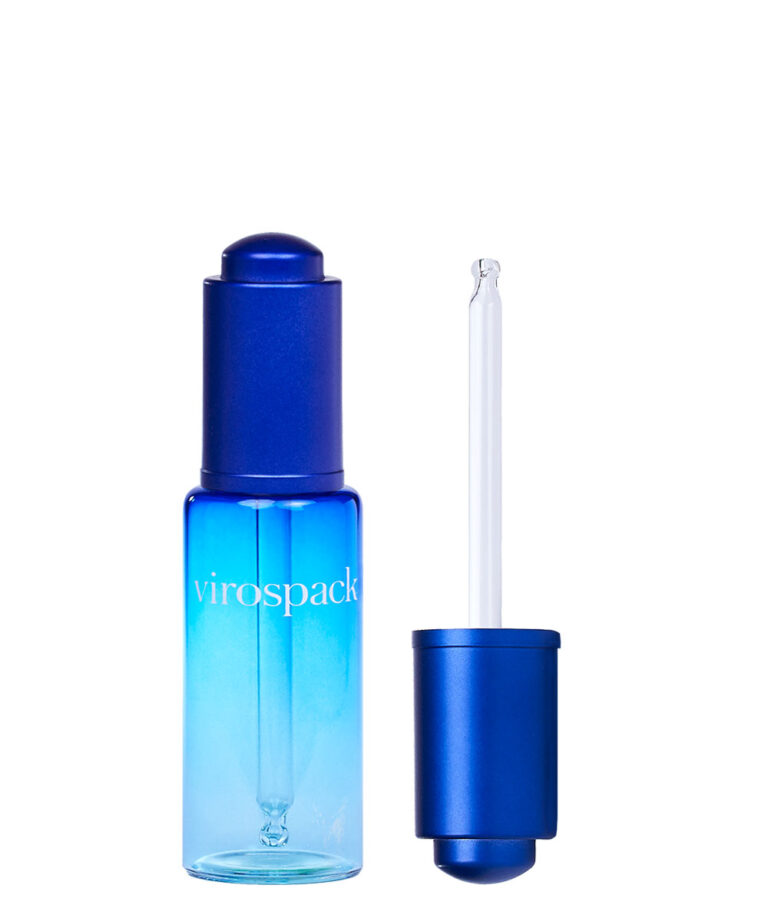
Table of Contents
What Is a Pipette in Cosmetic Packaging?
In cosmetic packaging, a pipette is the component responsible for drawing and releasing liquid formulas in a controlled way.
It is the tube positioned inside the bottle that allows the product to move from the container to the point of application progressively rather than all at once.
This type of dispensing is particularly important in products such as serums, facial oils and active skincare treatments, where the formula is designed to be applied in small and controlled quantities.
The behaviour of the pipette depends on multiple factors, including:
- its geometry
- the viscosity of the formula
- airflow inside the system
- the interaction with the closure and bottle neck
Because of this, the pipette does more than transfer liquid.
It influences how the product feels during use, how consistently it is dispensed and how precise the application experience becomes over time.
In premium cosmetic packaging, the pipette is therefore not treated as an isolated component, but as part of a larger dispensing system designed around control, precision and formulation behaviour.
Is a Pipette the Same as a Dropper?
The terms “pipette” and “dropper” are often used interchangeably, but they do not refer to exactly the same component.
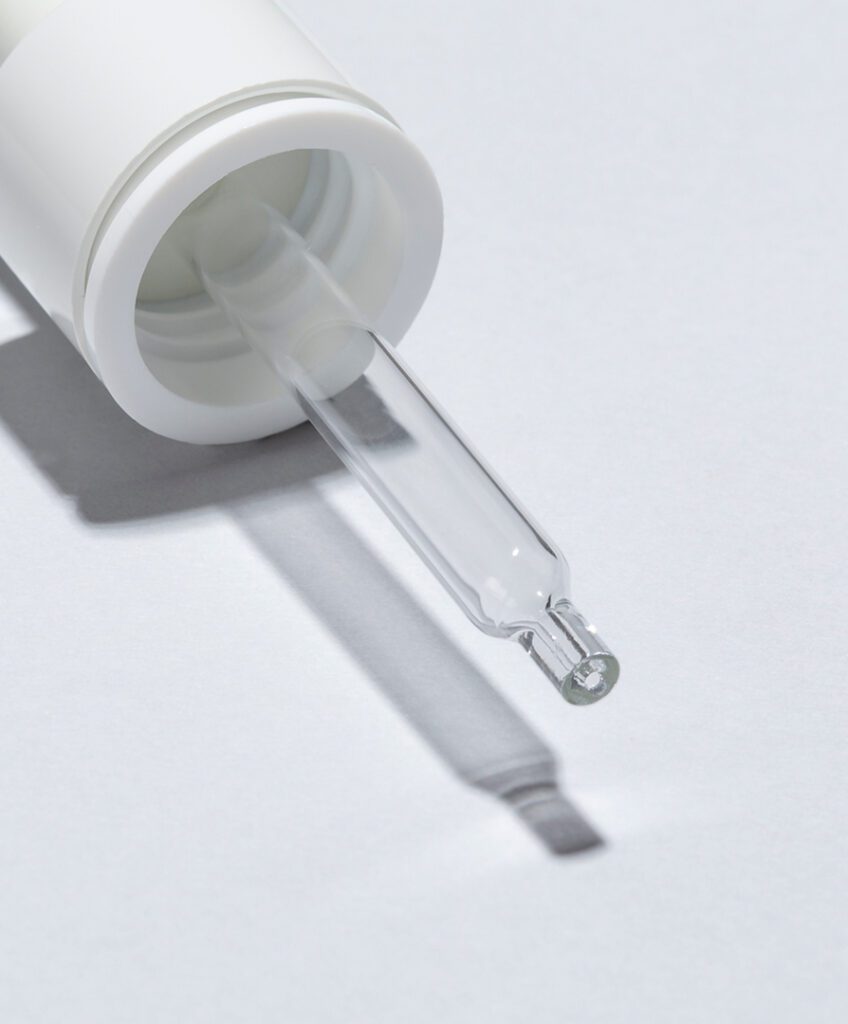
The pipette is the tube that draws and dispenses the liquid.
The dropper is the complete dispensing system, which usually includes:
- the pipette
- the bulb or actuator
- the closure
- the collar assembly
This distinction matters because dispensing performance depends on how all these components work together rather than on the pipette alone.
In cosmetic packaging, the behaviour of the full dropper system influences:
- dosing consistency
- liquid flow
- drop formation
- user interaction
At this level, the pipette is only one part of a larger dispensing architecture.
Why Pipettes Are Common in Serums and Active Skincare
Pipettes are particularly suitable for formulations that require controlled and progressive application.
This includes:
- active serums
- facial oils
- concentrated skincare treatments
- hybrid liquid formulations
These products are typically applied in small quantities, where dosing precision matters more than rapid dispensing.
A pipette allows the user to:
- regulate the amount applied
- distribute the product progressively
- apply the formula more intentionally
This creates a slower and more controlled skincare interaction compared to pumps or direct-pour systems.
How Pipettes Influence Dispensing Precision
Dispensing precision is not determined by the formula alone.
The pipette itself plays a major role in how the liquid behaves during application.
As the product moves through the pipette, factors such as the internal diameter, the tip opening and the flow resistance influence how the liquid is released. Even small variations in these elements can change the size of the drop, the dispensing speed and the overall consistency of the application.
This becomes especially important in concentrated skincare products, where the formula is expected to be used progressively and in controlled amounts.
A pipette that dispenses too aggressively can lead to overuse and reduced perception of control. One that dispenses inconsistently can make the product feel less refined during repeated use.
At this level, precision is not only about technical performance.
It directly affects how the user experiences the product:
whether the application feels stable, measured and repeatable, or unpredictable and inconsistent.
In premium cosmetic packaging, the pipette therefore becomes part of the precision architecture of the product itself.
Droppers Catalogue
Discover our full range of droppers catalogue
Why Pipette Design Matters in Cosmetic Packaging
Not all pipettes are designed for the same type of interaction.
Some systems prioritize:
- flexibility
- progressive application
- manual control
Others focus more on:
- repeatability
- measured dispensing
- controlled dosing cycles
This difference becomes especially relevant in premium cosmetic products, where the dispensing experience is expected to feel consistent from the first use to the last.
Even small changes in pipette geometry can influence how refined the product feels during application.
Pipettes and the User Experience
A pipette changes the rhythm of application.
Unlike pumps, which often prioritize speed and fixed dosing, pipettes create a more deliberate interaction with the formula.
The user:
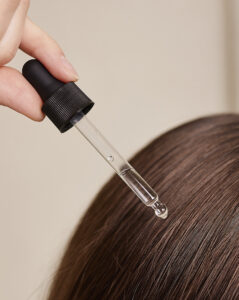
- extracts the product manually
- controls the dispensing angle
- regulates the amount progressively
This creates a skincare experience that feels more tactile and intentional.
In serums and facial oils, this slower interaction is often associated with precision, care and premium positioning.
At this level, the pipette becomes part of the ritual surrounding the product.
Standard Pipettes vs Push Button Dispensing Systems
Traditional pipette systems rely heavily on manual interaction.
The amount dispensed depends on:
- pressure applied to the bulb
- liquid viscosity
- dispensing angle
- user handling
This creates a more adaptive and flexible experience.


More engineered dispensing systems, such as push button droppers, reduce variability by regulating the dispensing cycle more consistently.
This can improve:
- dosing repeatability
- dispensing stability
- flow consistency
particularly in active skincare formulations where precision is critical.
The choice between systems depends on how the product is meant to behave during use.
Why Pipettes Work Well with Glass Bottles
Pipette systems are frequently associated with glass packaging because both support controlled and premium-oriented dispensing experiences.
Glass bottles provide:
- structural stability
- chemical compatibility
- premium perception
- precise neck integration
The relationship between the pipette and the bottle is especially important because alignment affects:
- liquid return
- airflow behaviour
- dispensing precision
- leakage control
At this level, the pipette and bottle must function as an integrated system rather than separate components.
When Pipettes Become Less Effective

Pipette systems work best when the formula is designed for controlled and progressive dispensing.
However, not all cosmetic products behave well within this type of application logic.
As formulas become thicker or more viscous, the dispensing behaviour can become less stable. The liquid may move more slowly through the pipette, return inconsistently after use or form irregular drops during application. Over time, this can make the product feel less controlled and less refined.
In other cases, the limitation is not related to viscosity, but to the intended rhythm of use.
Some cosmetic products are designed for rapid application, wider coverage or repeated high-volume dispensing. In these situations, a pipette may create an interaction that feels unnecessarily slow or restrictive.
Different dispensing systems respond better to different formulation behaviours.
- Pumps are generally more effective for products that require faster and more uniform dispensing.
- Spatula-based systems often work better with richer or denser textures that are difficult to dispense progressively.
- Roll-on systems are more suitable when the product is designed for continuous surface application rather than drop-by-drop precision.
At this level, the objective is not to select the most recognizable dispensing system.
It is to choose the one that best matches how the formula behaves and how the product is intended to be experienced.
FAQs About Pipettes in Cosmetic Packaging
What is a pipette used for in cosmetics?
A pipette is used to draw and dispense liquid formulas with greater control and precision, particularly in serums, facial oils and active skincare products.
Is a pipette the same as a dropper?
No.
The pipette is the tube that transfers the liquid, while the dropper is the complete dispensing system that includes the pipette, the actuator and the closure components.
Why are pipettes commonly used in serums?
Because serums are typically applied in small and controlled quantities where progressive dispensing is more important than rapid product release.
What is the difference between a traditional pipette and a push button dropper?
Traditional pipette systems rely more on manual interaction, while push button droppers regulate the dispensing cycle more consistently to improve repeatability and control.
Does pipette shape affect dispensing performance?
Yes.
The geometry of the pipette influences liquid flow, drop formation, dispensing consistency and the overall application experience.