

How Much Is 3.4 oz? Conversion to mL and Common Bottle Sizes in Cosmetics
3.4 oz is about 100 mL. More precisely, 3.4 US fluid ounces equal 100.55 mL, and 100 mL equals 3.38 fl oz, which is why beauty products containing 100 mL are labeled “3.4 fl oz” in the United States. In practical terms, a 3.4 oz bottle holds a little under half a US cup of liquid.
Below you will find the exact conversion, the difference between fluid and weight ounces, a chart of the most common cosmetic bottle sizes in mL and oz, and how to choose the right capacity for a skincare product, especially one dispensed with a dropper.
Table of Contents
3.4 oz at a glance
3.4 oz equals | Value |
Milliliters (US fluid ounces) | 100.55 mL (labeled as 100 mL) |
Milliliters (UK imperial fluid ounces) | 96.6 mL |
US cups | 0.43 cups |
Tablespoons | 6.8 tbsp |
Teaspoons | 20.4 tsp |
Grams (weight ounces) | 96.4 g |
Drops (water-based liquid) | About 2,000 drops |
How much is 3.4 oz in mL?

One US fluid ounce equals 29.5735 mL. To convert fluid ounces to milliliters, multiply by that factor:
3.4 fl oz × 29.5735 = 100.55 mL
To convert in the other direction, divide milliliters by 29.5735: 100 mL ÷ 29.5735 = 3.38 fl oz. Labels round this figure to 3.4 fl oz, so “100 mL” and “3.4 fl oz” describe the same bottle.
If you are in the UK, the imperial fluid ounce is slightly smaller (28.41 mL), so 3.4 imperial fl oz equals about 96.6 mL. In cosmetics, however, the 3.4 oz figure almost always refers to US fluid ounces and corresponds to a 100 mL product.
Fluid ounces vs. weight ounces: why "3.4 oz" can mean two things
The word “ounce” is used for two different measurements:
- Fluid ounces (fl oz) measure volume. They are used for liquids such as serums, toners, facial oils and fragrances.
- Ounces (oz, weight) measure mass. They are used for creams, balms and powders, often sold in jars.
3.4 weight ounces equal 96.4 grams, while 3.4 fluid ounces equal 100.55 mL. The two only coincide approximately for water. For other liquids, the weight of 100 mL depends on density: facial oils, for example, are lighter than water, so 100 mL of oil weighs less than 100 grams. When you read “3.4 oz” on a liquid skincare product, it refers to fluid ounces.
Is 3.4 oz 50 mL or 100 mL?
3.4 oz is 100 mL, not 50 mL. A 50 mL product is labeled 1.7 fl oz, exactly half of 3.4 fl oz. This confusion is common because 50 mL and 100 mL are two of the most popular sizes in beauty, and both are usually labeled in ounces with one decimal.
The 3.4 oz figure is also familiar to travelers, because it is the maximum container size for liquids in carry-on bags under the TSA 3-1-1 rule. If you are developing formats for that use, our guide to the best travel size containers covers leak-proof, TSA-ready options for liquids, creams and gels.
How big is a 3.4 oz bottle?
A 3.4 oz (100 mL) bottle holds a little less than half a US cup. In beauty, it is a typical size for products used generously or several times a day: toners, essences, facial mists, cleansers and body oils.
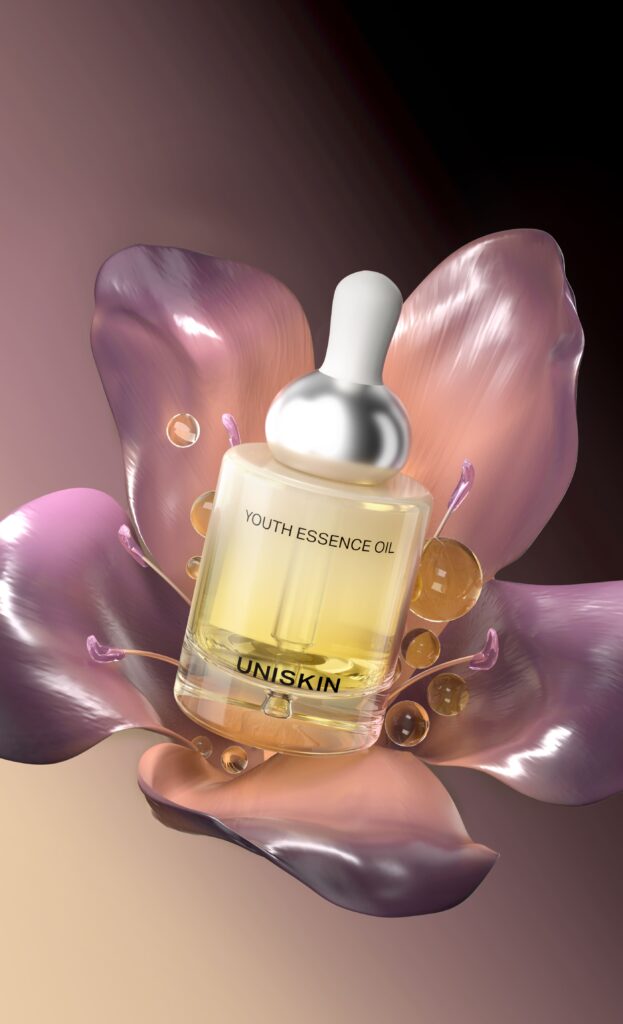
Concentrated skincare is different. Serums, facial oils and treatments dispensed with a dropper are used a few drops at a time, so 100 mL would last far longer than the product’s recommended period after opening. That is why most dropper products are sold in 15, 30 or 50 mL bottles, and why 30 mL (1 fl oz) has become the reference size for serums.
Common cosmetic bottle sizes: mL to oz chart
Capacity (mL) | Exact fl oz | Usually labeled | Typical use in cosmetics |
2 mL | 0.068 | 0.07 fl oz | Samples and single-dose vials |
5 mL | 0.169 | 0.17 fl oz | Minis, samples, ampoules |
10 mL | 0.338 | 0.34 fl oz | Eye serums, travel sizes, perfume oils |
15 mL | 0.507 | 0.5 fl oz | Eye care, concentrated serums, discovery sizes |
20 mL | 0.676 | 0.68 fl oz | Boosters and concentrates |
30 mL | 1.014 | 1 fl oz | The standard serum and facial oil size |
50 mL | 1.691 | 1.7 fl oz | Larger serums, facial oils, emulsions |
75 mL | 2.536 | 2.5 fl oz | Lotions and fluids |
100 mL | 3.381 | 3.4 fl oz | Toners, essences, cleansers, body oils |
120 mL | 4.058 | 4 fl oz | Toners and lotions |
150 mL | 5.072 | 5 fl oz | Cleansers and body care |
200 mL | 6.763 | 6.8 fl oz | Body and hair care |
Why dropper bottles usually come in 15, 30 or 50 mL
For products applied drop by drop, capacity is decided by the dose, not by the shelf. A few reasons explain why dropper bottles concentrate in the 15 to 50 mL range:
- Dose: a typical application is a few drops. A 30 mL bottle holds around 600 drops of a water-based serum, enough for weeks of daily use.
- Freshness: many active-rich formulas have a limited period after opening. A smaller bottle helps the consumer finish the product while it is at its best.
- Premium perception: in glass, a 30 or 50 mL bottle has the right weight and proportion in the hand, and the dropper stays in scale with the bottle.
- Price positioning: concentrated formulas carry a high value per mL, so smaller capacities keep the product accessible.
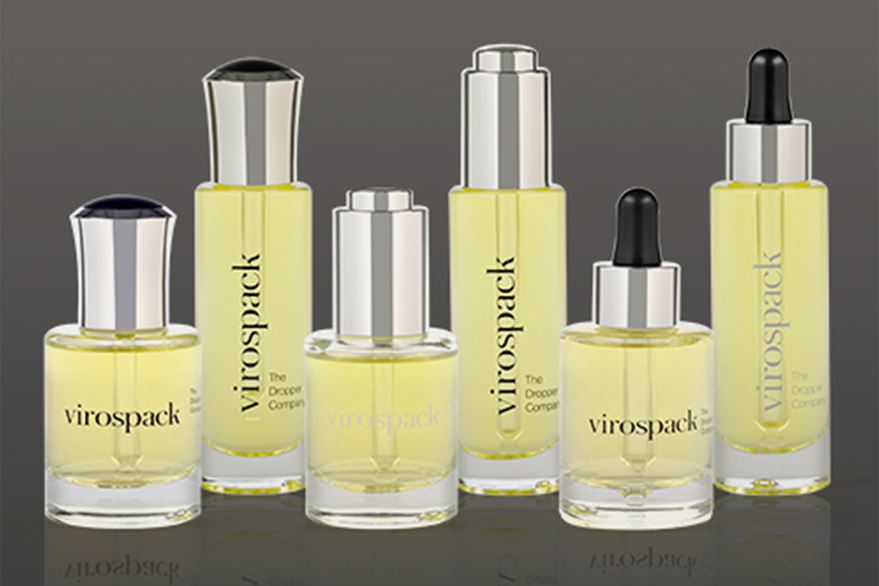
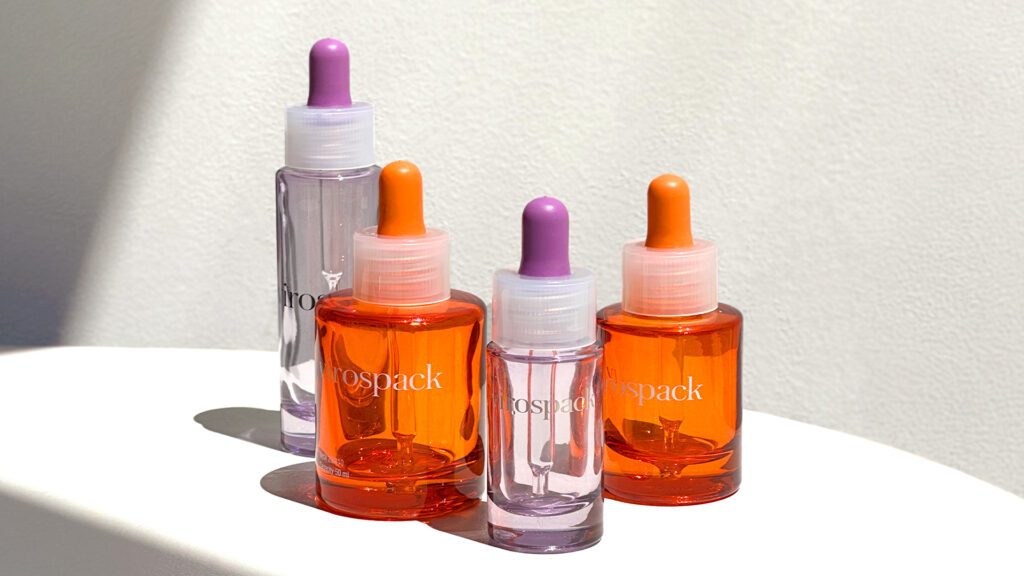
Virospack’s moulded glass bottles are available in 15, 30 and 50 mL in Wide and Slim designs, with the Wide version featuring a last-drop system so the consumer can use the formula until the very end. For smaller formats, tubular glass bottles cover capacities from 2 to 30 mL, ideal for minis, samples, ampoules and travel sizes thanks to their light, thin walls and high clarity.
How long each size lasts depends on how many drops it holds. As a reference, 1 mL of a water-based liquid equals about 20 drops, so a 3.4 oz (100 mL) bottle holds around 2,000 drops and a 30 mL bottle around 600, while oils and viscous serums give fewer. The figures vary with the formula and the dropper, as explained in our guide on how many drops are in a mL.
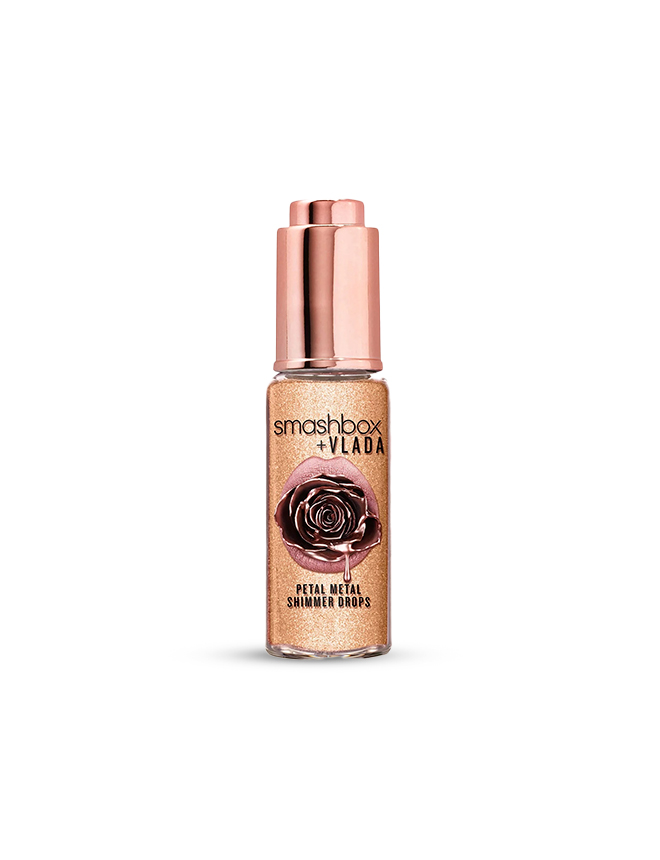
Droppers Catalogue
Discover our full range of droppers catalogue
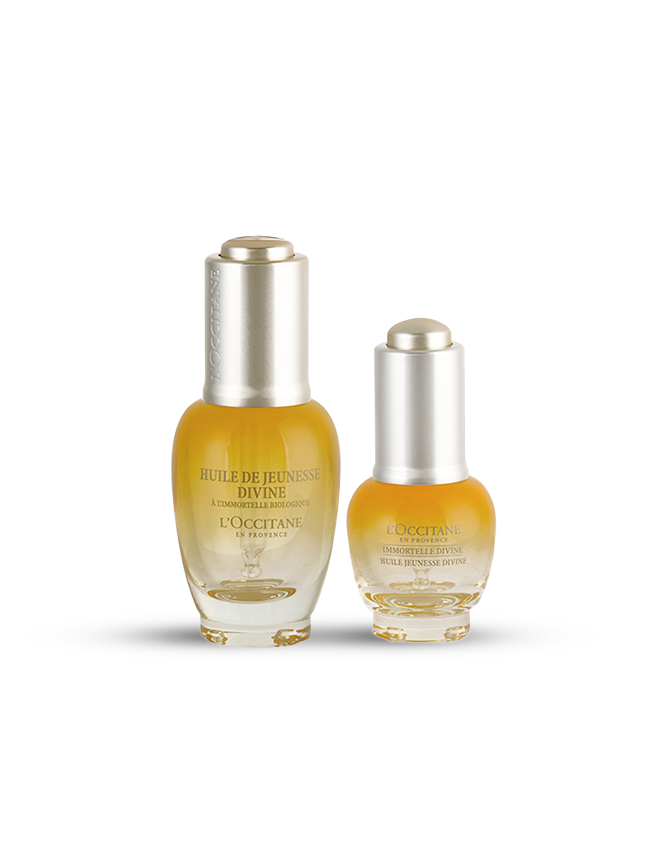
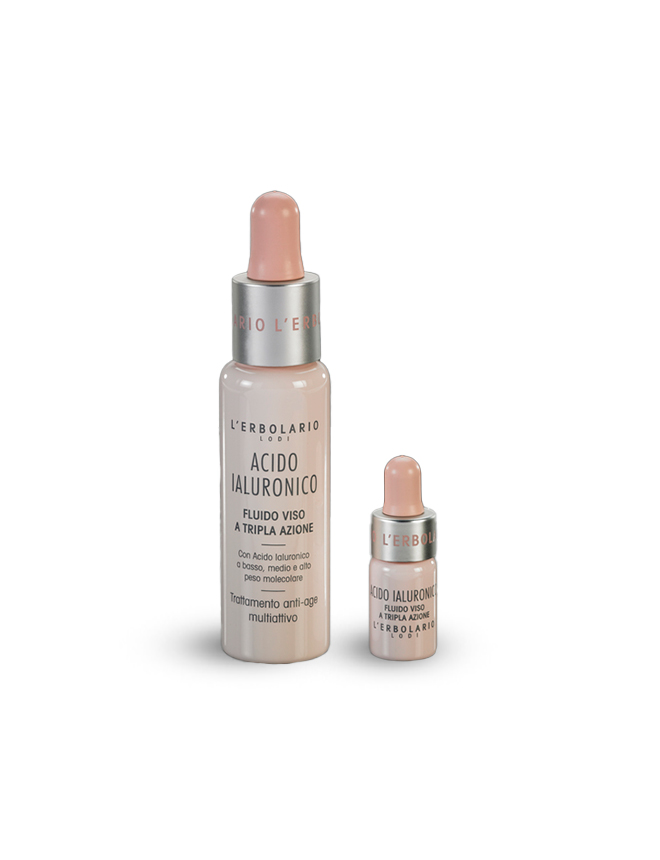
Building a size range with the same premium design
Many skincare brands sell the same product in more than one capacity: a full size for daily use and a smaller version for travel, discovery or gifting. The challenge is to make the smaller bottle feel just as premium.
The L’Occitane Huile de Jeunesse Divine range, part of our showroom, shows how it is done. The full-size bottle and the smaller version share the same rounded silhouette, the same golden gradient on the glass and the same silver dropper head. Only the scale changes, so the consumer immediately recognizes the product in either size.
The L’Erbolario Acido Ialuronico range, also in our showroom, applies the same logic at a different scale: a tall full-size bottle and a mini version keep the same peach-toned bulb, metallic collar and label layout. The mini works as a discovery format that introduces the formula without diluting the brand’s identity.
The lesson for brands is to plan capacities as a family from the start: choose bottle shapes and droppers that work across sizes, and keep decoration consistent so every format reinforces the same premium image.
How to choose the right bottle size for your skincare product
A simple calculation helps define the ideal capacity for a dropper product:
Drops per application × applications per day × days of use = drops needed
For example, a serum used at 4 drops twice a day needs 8 drops per day. A 30 mL bottle (around 600 drops) would last about 75 days, while a 15 mL bottle would last about 37 days. Compare that duration with the formula’s recommended period after opening and with the price you want to position, and the right size becomes clear.
Also consider:
- Formula type: oils and viscous serums give fewer drops per mL, so the same bottle lasts less.
- Use occasion: travel and discovery sizes usually sit between 5 and 15 mL.
- Light sensitivity: amber or tinted glass helps protect formulas that will be used over several weeks.
- Range strategy: if you plan more than one size, choose a design that scales well.
Frequently asked questions
Is 3.4 oz equal to 100 mL?
Yes, in practice. 3.4 US fluid ounces equal 100.55 mL, and 100 mL equals 3.38 fl oz, which is rounded to 3.4 fl oz on labels.
Is 3.4 oz 50 mL?
No. 3.4 oz is 100 mL. A 50 mL product is labeled 1.7 fl oz.
How much is 3.4 oz in cups?
3.4 fl oz is 0.43 US cups, a little less than half a cup.
How many grams is 3.4 oz?
3.4 weight ounces equal 96.4 grams. If you mean 3.4 fluid ounces of liquid, the weight depends on the density of the product: about 100 grams for water, and less for lighter liquids such as oils.
How many drops are in 3.4 oz?
About 2,000 drops for a water-based liquid, based on 20 drops per mL. Oils and viscous formulas give fewer drops.
Is 3.4 oz allowed in carry-on luggage?
Under the TSA 3-1-1 rule, liquid containers in carry-on bags must hold 3.4 oz (100 mL) or less. Rules can change, so check the current TSA guidelines before traveling.
What size is a 1 oz dropper bottle in mL?
A 1 oz dropper bottle holds 30 mL (exactly 29.57 mL). It is the most common size for serums and facial oils.
What is the most common size for serum bottles?
30 mL (1 fl oz) is the most common serum size, followed by 15 mL (0.5 fl oz) for eye care and concentrated treatments and 50 mL (1.7 fl oz) for larger formats.