

Glass Bottle Supplier: What Beauty Brands Should Look for in a Premium Packaging Partner
Choosing a glass bottle supplier is not only a sourcing decision.
For beauty brands, the bottle is part of the product. It influences how the formula is protected, how it is applied, how it feels in the hand and how the consumer understands the value of the treatment inside.
This is especially true in skincare, hair care and makeup, where formulas are becoming more concentrated, more sensorial and more technically demanding.
A premium glass bottle supplier should not simply provide a container.
It should help transform a formulation into a complete packaging experience.
The best suppliers understand that a glass bottle is never isolated. It must work with the closure, the dispensing system, the decoration, the formula and the positioning of the brand.
That is where the difference between a basic supplier and a true packaging partner becomes clear.
Table of Contents
Why the Right Glass Bottle Supplier Matters
A beauty product can have an excellent formula and still feel incomplete if the packaging does not support it.
The glass bottle must protect the product, express the brand identity and make application feel intuitive. If any of these elements fail, the consumer notices.
A serum that dispenses inconsistently feels less precise.
A facial oil in a bottle that feels too light may lose part of its premium perception.
A makeup formula with the wrong dispensing system may become difficult to dose or mix.
This is why choosing the right glass bottle supplier matters from the beginning of the development process. The supplier should not enter the project only when the brand has already decided the shape, capacity and closure. A strong partner helps guide those decisions before mistakes become expensive.
In premium beauty packaging, the bottle is not the final step.
It is part of the product strategy.
Protection Is More Than a Visual Message
The first thing a beauty brand should expect from a glass bottle supplier is technical understanding of the formulation.
Different formulas behave in different ways.
A lightweight facial serum does not have the same requirements as a dense oil, a scalp treatment, a liquid foundation or a two-phase active formula. Viscosity, sensitivity, dosage, application area and consumer routine all influence the right packaging choice.
This is where technical advice becomes essential.
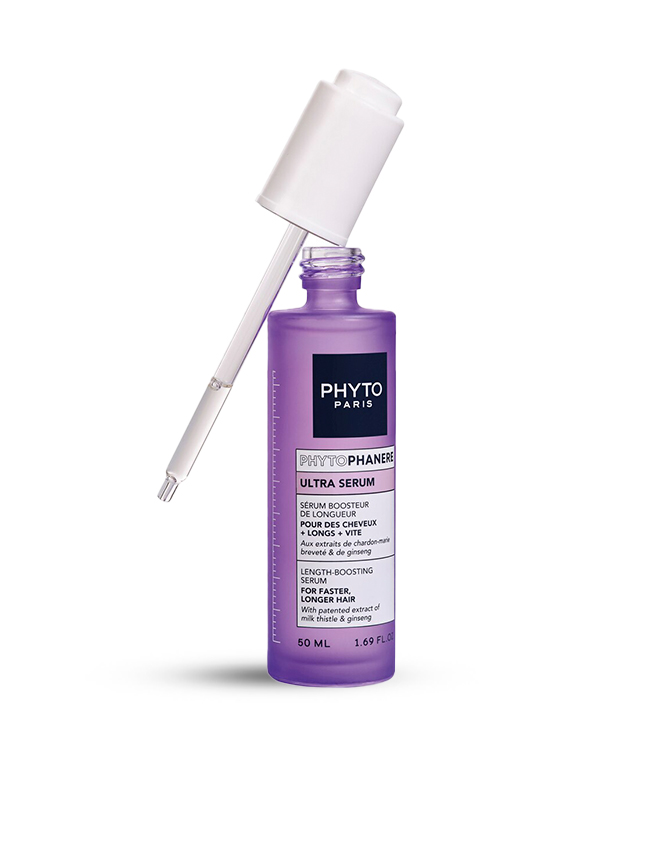
A supplier should help the brand evaluate whether the formula is better suited to a standard dropper, a push button dropper, a spatula holder, a roll-on system or another dispensing solution.
For example, fluid serums and oils may work naturally with droppers. More viscous textures may require alternative applicators. Targeted liquid products may benefit from roll-on systems. Premium formulas may require a more refined closure experience, such as a magnetic dropper.
The point is not to choose the most sophisticated system.
The point is to choose the one that matches the formula.
A good glass bottle supplier understands this before discussing decoration, colour or aesthetics.
Glass Quality Must Be Consistent, Not Just Attractive
Glass is valued in beauty packaging because it communicates quality, stability and transparency.
But not all glass packaging performs in the same way.
For a beauty brand, consistency matters as much as appearance. Wall thickness, neck finish, dimensional tolerance, weight distribution and compatibility with dispensing systems all affect the final pack.
This becomes especially important when the bottle is part of a precise application system.
A dropper must fit correctly.
A closure must seal properly.
A spatula holder must sit securely.
A decorative finish must remain consistent across production.
A premium glass bottle supplier should therefore be able to deliver not only beautiful packaging, but packaging that performs reliably at scale.
In cosmetic packaging, a bottle that looks good in a prototype is not enough.
It must remain coherent across production, filling, assembly and consumer use.
Droppers Catalogue
Discover our full range of droppers catalogue
The Supplier Should Think in Complete Packaging Systems
A common mistake is to treat the glass bottle as a separate component.
In reality, beauty packaging works as a system.
The bottle, neck, closure, applicator, decoration and formula must all be compatible. When they are not developed together, small problems can become visible in the final product.
A dropper may not draw the right amount.
A wiper may not perform correctly.
A cap may disrupt the visual balance of the bottle.
A finish may look premium but feel inconsistent with the application ritual.
This is why premium beauty brands should look for suppliers capable of thinking beyond the bottle itself.
A complete packaging partner can connect the glass bottle with different dispensing solutions, including standard droppers, push button droppers, caps with spatula holders, roll-on systems or magnetic droppers.
This matters because the consumer does not experience the bottle as separate parts.
They experience one gesture: opening, dispensing, applying and closing.
If that gesture feels coherent, the product feels better.
Tubular Glass and Moulded Glass Serve Different Brand Needs


A strong glass bottle supplier should also help brands understand the difference between glass constructions.
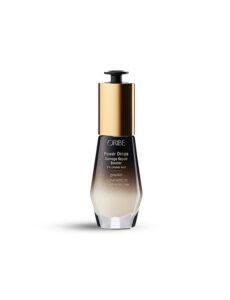
Tubular glass bottles and vials are often associated with precision, lightness and a clean visual language. Their uniform geometry works especially well for serums, boosters, ampoule-inspired treatments and ingredient-led skincare products.
They are also useful when a brand wants a minimalist, technical or laboratory-inspired identity without investing in a highly sculpted bottle structure.
Moulded glass bottles, on the other hand, offer greater physical presence. They can introduce thicker bases, more expressive silhouettes and a stronger tactile experience. This makes them particularly relevant for premium skincare, luxury oils, high-end makeup and products where the bottle is expected to communicate value before the formula is even used.
Neither option is automatically better.
The right choice depends on the formula, the category and the positioning.
A clinical serum may benefit from the clarity and precision of tubular glass. A luxury treatment oil may need the weight and presence of moulded glass. A hybrid makeup product may require a bottle that feels both contemporary and premium.
A good supplier does not simply offer both options.
It helps the brand understand which one supports the product better.
Decoration Should Reinforce the Formula, Not Distract from It
Decoration is one of the most visible parts of cosmetic packaging, but it should never be treated as surface styling alone.
A premium glass bottle supplier should understand how decoration affects perception.
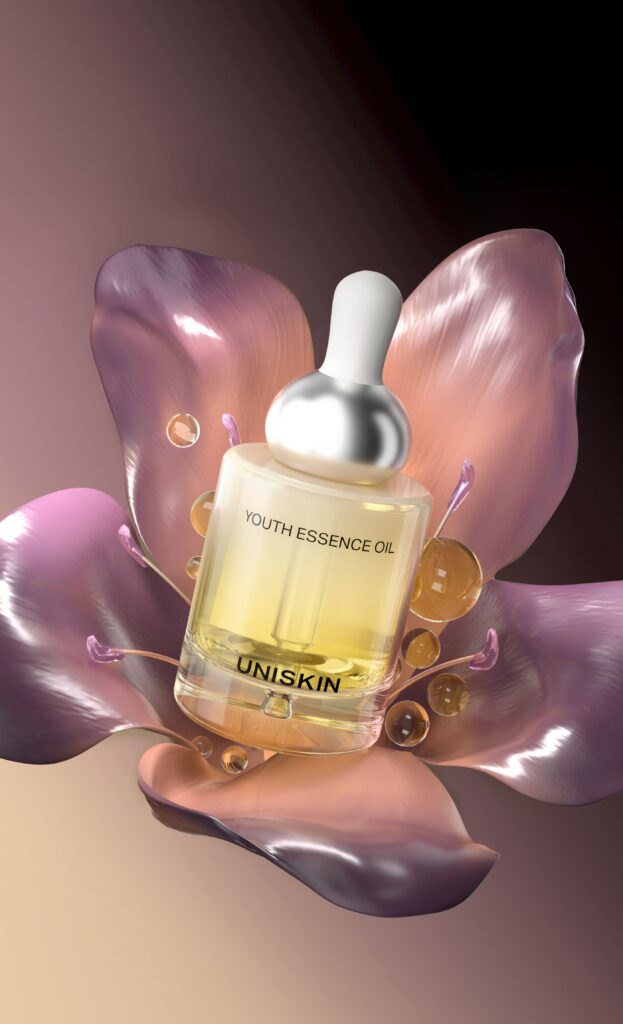
Screen printing, hot stamping, metallization, painting, lacquering, gradients, frosted finishes and custom colours can completely change the way a bottle is interpreted.
- A transparent bottle can communicate purity and formula visibility.
- A frosted finish can soften the visual identity and create a more refined skincare language.
- A black or amber finish can suggest protection, concentration or night treatment.
Metallic details can elevate a pack, but excessive decoration can make it feel heavy or inconsistent.
The best decoration choices are not the most decorative ones.
They are the ones that make the formula easier to understand.
For beauty brands, this distinction is crucial. Packaging should not simply look premium. It should explain the product without overloading it.
Compatibility Testing Is Essential
A premium glass bottle supplier should always take compatibility seriously.
Cosmetic formulas can interact differently with packaging components depending on their ingredients, viscosity, oils, solvents, actives, fragrance load or preservation system.
Even when glass itself offers strong compatibility, the complete pack includes more than glass.
Bulbs, pipettes, caps, wipers, seals, applicators, decorations and coatings can all influence performance.
This is why compatibility testing should be part of the packaging development process.
A supplier that recommends testing is not creating an obstacle.
It is protecting the brand.
For skincare, this may involve ensuring that an active serum remains stable and dispenses correctly. For hair care, it may mean checking how an oil interacts with the dispensing system. For makeup, it may involve verifying whether a liquid formula can be dosed cleanly and consistently.
Premium packaging is not based on assumptions.
It is based on controlled validation.

The Best Suppliers Balance Design Freedom and Industrial Reliability
Beauty brands often want distinctive packaging.
That is understandable. The market is crowded, and the bottle needs to create recognition.
But design freedom must be balanced with manufacturing reliability.
A supplier should be able to advise when a shape, finish or component choice may create technical limitations. A beautiful bottle that is difficult to produce consistently can create problems in filling, assembly, logistics or consumer use.
This is where a premium glass bottle supplier becomes valuable.
It does not only say yes to a design idea.
It helps adapt the idea so that it can be manufactured, decorated, assembled and used properly.
This balance is especially important for brands developing premium ranges, where the packaging must feel distinctive without compromising functionality.
The goal is not only to create a beautiful bottle.
The goal is to create a bottle that can become a real product.
A Supplier Should Support Different Beauty Categories
A premium glass bottle supplier should understand that skincare, hair care and makeup do not use packaging in the same way.
- In skincare, the focus is often precision, protection and ritual. Serums, boosters, oils and active treatments require packaging that supports controlled application and reinforces trust in the formula.
- In hair care, the challenge is often dosage and distribution. Scalp treatments, repair oils and leave-in formulas need packaging that allows the consumer to control how much product is applied and where.
- In makeup, the bottle becomes part of the creative process. Liquid complexion products, serum foundations, illuminating drops and hybrid formulas need packaging that supports layering, mixing and buildable application.
A basic supplier may offer the same bottle to every category.
A premium packaging partner understands that each category requires a different experience.
The same glass bottle can communicate very different things depending on its shape, colour, finish and dispensing system.

Supply Reliability Matters as Much as Creativity
In beauty packaging, creativity attracts attention.
Reliability keeps the project alive.
A glass bottle supplier must be able to support the practical demands of product development: sampling, technical documentation, production planning, quality control and repeatability across orders.
This is especially important for brands that expect to scale.
A packaging concept may begin with a small launch, but if the product performs well, the brand needs confidence that the same bottle, finish and dispensing system can be reproduced consistently.
Premium packaging is not only about the first production run.
It is about continuity.
A supplier that understands long-term consistency becomes more than a vendor. It becomes part of the brand’s operational stability.
What Beauty Brands Should Look for in a Glass Bottle Supplier
When evaluating a glass bottle supplier, beauty brands should look beyond the catalogue.
The most important questions are not only:
Does the supplier have the right bottle?
The better questions are:
- Does the supplier understand the formula?
- Can it recommend the right dispensing system?
- Can it support decoration and customization?
- Does it understand compatibility testing?
- Can it guide the choice between tubular and moulded glass?
- Can it help the pack feel coherent from first visual impression to final application?
A premium supplier should be able to connect technical performance with brand perception.
This is what makes the difference.
The bottle must protect the formula, but it must also express the product’s identity. It must be functional, but it must also feel intentional. It must be manufacturable, but it must still feel distinctive.
For beauty brands, the right glass bottle supplier is not simply the company that delivers glass.
It is the partner that helps turn the formula into a product consumers can understand, trust and enjoy using.
Frequently Asked Questions About Glass Bottle Suppliers
What is a glass bottle supplier for beauty brands?
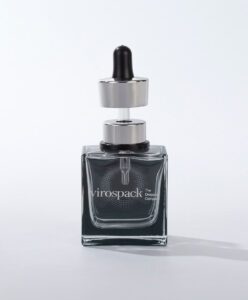
A glass bottle supplier provides glass packaging solutions for cosmetic and beauty products, including bottles, vials and compatible components such as closures, droppers or applicators. A premium supplier also offers technical guidance, customization and support throughout packaging development.
What should beauty brands look for in a glass bottle supplier?
Beauty brands should look for technical expertise, consistent glass quality, compatible dispensing systems, decoration capabilities, customization options, compatibility testing support and experience with skincare, hair care or makeup packaging.
Why is glass commonly used in premium cosmetic packaging?
Glass is valued in premium cosmetic packaging because it offers a high-quality appearance, strong compatibility with many formulations and a more refined tactile experience. It also supports different finishes, colours and decoration techniques.
What is the difference between tubular and moulded glass bottles?
Tubular glass bottles usually offer a clean, precise and minimalist appearance, while moulded glass bottles allow more distinctive shapes, thicker bases and greater physical presence. The best choice depends on the formula, brand positioning and desired user experience.
Why is the dispensing system important when choosing a glass bottle?
The dispensing system determines how the consumer applies the formula. Droppers, push button droppers, spatula holders, roll-ons or magnetic closures can create very different experiences, so the system should match the formula’s texture, dosage needs and positioning.