

10ml Dropper Bottle: Ideal Size for Serums, Oils and Active Skincare
A 10ml dropper bottle may appear small, but in modern skincare packaging, size is rarely the most important factor.
The popularity of the 10ml format is closely linked to the evolution of cosmetic formulations. As serums, facial oils and active treatments become more concentrated, packaging no longer needs to deliver large quantities of product. It must support precision, control and efficient application. This is why 10ml formats are common in products where performance depends more on dosage accuracy than on volume, and why the choice of this format is better understood as a formulation decision than a commercial one.

Table of Contents
What Makes a 10ml Dropper Bottle So Popular?
The success of the 10ml format comes from its balance between convenience and functionality. It is large enough to support repeated use while remaining compact, portable and easy to handle.
Unlike larger bottles, a 10ml format encourages a more controlled relationship with the product. Users apply the formula progressively, focusing on dosage rather than quantity. This aligns with skincare designed around active ingredients and concentrated systems, where a few drops carry significant cost and biological intent. The format also matches the way these formulas age: a concentrated serum that degrades once opened is best housed in a bottle the consumer finishes close to the formula’s functional lifespan, rather than one that guarantees the last third oxidizes before it is used. In that sense the volume is not a limitation but an alignment between fill size and how long the formula actually performs.
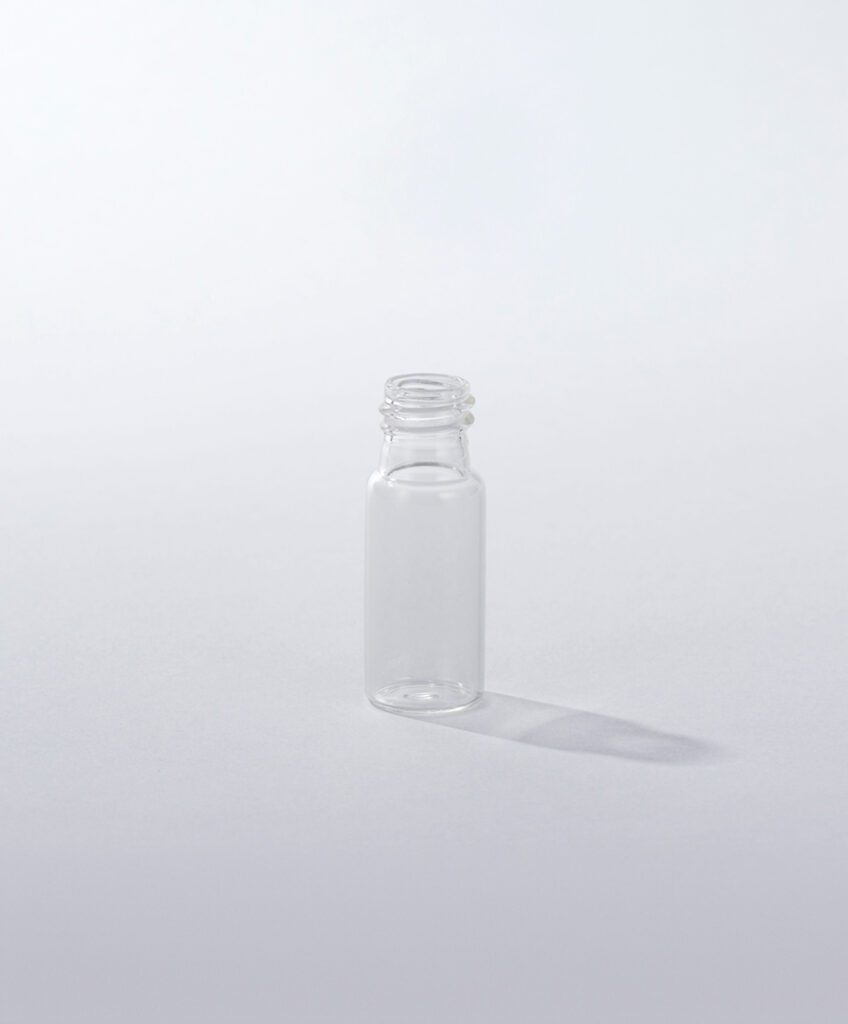
Why 10ml Is Often Enough for High-Concentration Formulas
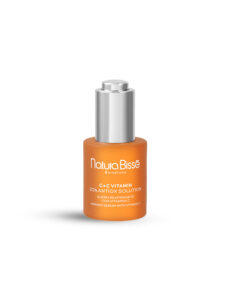
Many skincare products are designed to be effective in very small quantities, and the format reflects that pharmacological reality rather than a marketing preference.
A few drops are often sufficient to cover the application area, making larger packaging unnecessary. This is common in active serums, facial oils, concentrated treatments and booster formulations, where the value of the formula lies in ingredient concentration and the consistency of application, not in how much is applied. Retinoids are used in pea-sized amounts; concentrated vitamin C and peptide systems work at the level of a few drops. Sizing the bottle to that usage rate does two things at once: it prevents the consumer from carrying a large volume of a product that will degrade before they reach the bottom, and it reinforces a controlled pattern of use over excessive consumption. The format and the formula end up telling the same story.
How Smaller Volumes Influence Product Perception
Packaging size shapes how consumers interpret a product before they use it, and at 10ml that signal is unusually strong.
Smaller formats are associated with concentration, precision and efficiency. A 10ml bottle suggests a formula designed to deliver results through controlled application rather than large quantities, a perception that is especially powerful in active skincare where efficacy is linked to ingredient strength rather than volume. This is not purely psychological. When the format genuinely matches a potent, dosed formula, the perception is accurate, and the consumer’s expectation of a precise, deliberate product is met by the way the dropper actually behaves. The risk appears only when the small format is used as a cue without the formula to justify it, at which point the packaging promises a precision the product does not deliver.
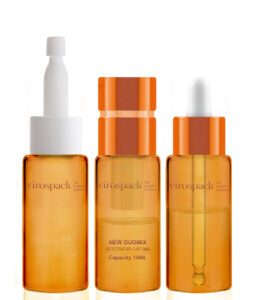
Why Dispensing Precision Matters More at 10ml
As the bottle shrinks, dispensing accuracy becomes more important, because there is less product to absorb the cost of an inconsistent mechanism.
A 10ml bottle holds roughly 60 to 90 doses for a typical serum. At that scale, small variations in each dose accumulate quickly and become noticeable to the user. If the dispensing system releases inconsistent amounts, the consumer perceives the product as poorly controlled, and with active formulas the consequences go beyond perception: underdosing leads them to conclude the product does not work, while overdosing sensitive actives such as retinoids or acids can trigger irritation. The dropper is the instrument through which the formulator’s intended concentration per application actually reaches the skin, so repeatability here is not a technical nicety but part of the efficacy of the treatment. At 10ml, precision becomes part of the product experience because there is no slack to hide its absence.
How Viscosity Governs Dropper Behaviour
Dispensing precision cannot be discussed in the abstract, because what a dropper does depends almost entirely on the viscosity of the liquid it must move.
A dropper works through a pressure differential. The bulb is squeezed and released, drawing liquid up the pipette, and surface tension at the tip holds the column until the next squeeze. Light, water-based serums behave predictably and form clean, repeatable drops. The difficulty lies at the extremes. Pure facial oils, squalane blends and silicone-rich serums resist flow and cling to the inner wall of the pipette, slowing intake and leaving residue that distorts the next dose. Very thin fluids do the opposite, draining from the tip before the user can position it over the skin.
For oils and medium-viscosity serums, the internal diameter of the pipette and the geometry of the tip should be specified deliberately rather than accepted as a default. A wider bore speeds the intake of viscous oils but produces larger, less controllable drops; a narrower bore improves dose control but frustrates the user with slow uptake. The right specification depends on the formula’s viscosity at the temperatures the product will actually experience, since most oils thicken in a cold bathroom and flow far more readily in summer. In a 10ml bottle, where the whole product may be only sixty to ninety doses, a pipette mismatched to the formula wastes a measurable fraction of a high-value serum.
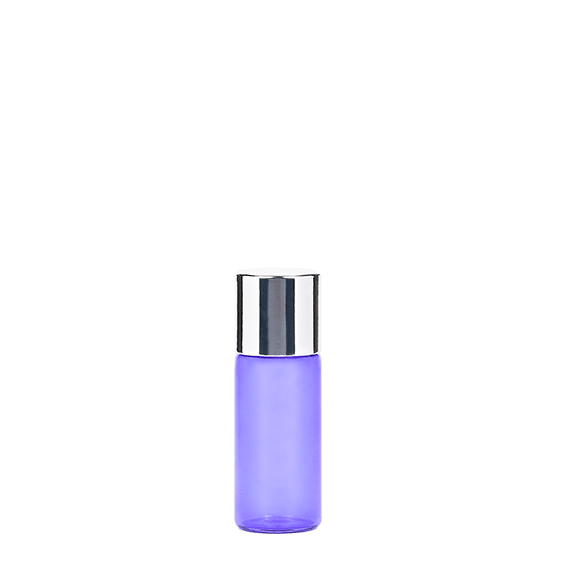
Droppers Catalogue
Discover our full range of droppers catalogue
Standard Droppers vs Push Button Droppers in 10ml Packaging
The dispensing system defines how a 10ml bottle performs, and the choice between a traditional bulb and a push button mechanism is really a choice about where dose control lives.
A traditional dropper lets the user regulate dosage manually, which allows an adaptive, personalized interaction but makes each dose a function of how hard and how long the bulb is squeezed. Because a 10ml format contains less product, that variability becomes more noticeable over repeated use. A push button droppers addresses this by drawing a calibrated volume into the pipette with each press, so the dose becomes a function of the mechanism rather than the hand operating it. The benefit is twofold in a small, high-value format: it protects the limited number of doses the bottle holds, and its controlled, deliberate action signals to the user that the product is meant to be applied exactly rather than approximately.
There is a second, less obvious advantage. A standard bulb draws air in and expels it with every use, effectively pumping oxygen through the product over its life, whereas a well-engineered push button system handles air more conservatively. The most suitable solution depends on formula viscosity, the precision the product requires and the intended user experience. The choice is not simply about dispensing product, but about controlling how the product is experienced and how well it survives being used.

Why the Small Fill Helps Formula Stability
Stability is usually tested on sealed product, but the consumer experience is defined by what happens after opening, and this is where the 10ml format does work a larger bottle cannot.
Every time the dropper is removed, air enters the bottle and contacts the formula. As the level falls, the air volume above it, the headspace, grows, and with it the oxygen available to react with sensitive ingredients. In a small bottle the product is finished before that headspace dominates its life, which is precisely why the format suits fast-degrading actives: the bottle empties close to the formula’s functional lifespan instead of leaving a half-empty container slowly oxidizing. The same fragile chemistry that justifies a 10ml fill, oxidation-prone oils, retinoids and vitamin C, is often light-sensitive too, so amber or frosted glass is the rational default for these formulas, with clear glass reserved for systems proven stable under light. The colour does not change with volume, but it protects the same formula the small fill is built around. The closure’s seal quality matters here as well, since a dropper that seats cleanly between uses limits the air exchange that no antioxidant in the formula can fully counter.
Glass Construction in a Small Format

The structure of the bottle becomes proportionally more noticeable as the format shrinks, because weight, stability and handling have less mass to distribute and more influence on how the product feels.
Tubular glass bottles tend toward lighter, more uniform constructions with thinner walls and tight dimensional consistency, suited to minimal, slender serum designs. Moulded glass bottles allow thicker bases and more sculpted geometries, creating a stronger physical presence and a reassuring weight even within a compact format. Beyond feel, this is also a production decision: the two forming methods differ in tooling, minimum runs and dimensional tolerance, which matters when a small bottle has to seat a precision dropper reliably across an entire batch. In a 10ml format these structural details carry more weight, both literally and in perception, than they would in larger packaging.
Choosing the Right 10ml Dropper Bottle for Your Formula
Selecting the right 10ml bottle involves more than choosing a volume, because the format only delivers when every element is matched to the formula it carries.
The packaging system must be compatible with the behaviour of the formula, the required dispensing precision, the desired positioning and the intended application method. Bottle construction, dropper design and formula viscosity all determine how the product performs over time, and they interact: a viscous oil in a narrow pipette, a light essence in a loosely sealing bulb, or a photosensitive active in clear glass each represent a mismatch that no other strong choice can rescue. The most effective solution is the one where the formula and the dispensing system behave as a single experience rather than as a container that happens to hold a liquid. Knowing when 10ml is the wrong answer, for products used generously, for rich balms a dropper cannot move, or for a hero product meant to last a full routine cycle, is as much a part of that expertise as knowing when it is right.
FAQs About 10ml Dropper Bottles
What are 10ml dropper bottles commonly used for?
They are used for serums, facial oils, booster formulations and active skincare applied in small quantities, where controlled dosing matters more than volume. The format suits formulas that are concentrated, expensive or prone to degrading after opening, since the bottle is finished close to the point where the formula is still performing at its best.
Why is a 10ml bottle suitable for concentrated skincare?
Because concentrated formulas are applied in a few drops, large packaging is unnecessary and often counterproductive: it would leave most of a degrading product sitting unused. Sizing the fill to the usage rate keeps the product fresh through its life and reinforces controlled application over excessive consumption.
What is the advantage of a push button dropper in a 10ml bottle?
It delivers a calibrated, repeatable dose independent of how the user squeezes, which matters most for potent actives where dose consistency affects both results and tolerance. It also tends to seal more reliably and exchange less air per use, reducing the oxidative stress that a standard bulb places on the formula by pumping air through it.
Can a 10ml dropper handle thick facial oils?
It can, but the pipette bore and tip geometry must be specified for the oil’s viscosity rather than left at a default, and the formula’s behaviour in a cold room should be considered, since oils thicken when cool. For genuinely heavy, balm-like textures a dropper is the wrong system altogether.
Does the type of glass matter in a 10ml bottle?
Yes.
Yes, on two levels. Construction influences weight, stability and perceived quality, with moulded glass feeling more substantial and tubular glass more slender. Colour matters for stability: light-sensitive actives need amber or frosted glass, while clear glass should be reserved for formulas proven stable under light.