

Roll-On Perfume Oil: Why This Format Is Winning and How Brands Package It
A roll-on perfume oil is a fragrance blended into a carrier oil instead of alcohol and packaged in a small bottle with a rolling ball applicator. The consumer glides the ball over pulse points such as the wrists, neck or behind the ears, leaving a precise, close-to-the-skin layer of scent. The format is gaining ground because it matches how people want to wear fragrance today: personal, portable, alcohol-free and easy to reapply. For brands, it is also one of the most accessible ways to enter the fragrance category with a premium product.
This guide explains what a roll-on perfume oil is, why the format is growing, and how brands package it, from the glass vial and the ball to the cap and the decoration.
Key takeaways
- Roll-on perfume oils use a carrier oil instead of alcohol, which gives a softer, more intimate scent that stays close to the skin.
- The format is winning thanks to skin-scent and layering trends, portability, discovery sizes and its suitability for travel.
- Glass is the reference material for the vial because it is inert and protects concentrated fragrance and essential oils.
- The ball material (steel, glass, ceramic or plastic) changes both the application experience and the compatibility with the formula.
- Small formats of 5, 10 and 15 mL dominate the category, and decoration turns a compact vial into a premium fragrance object.
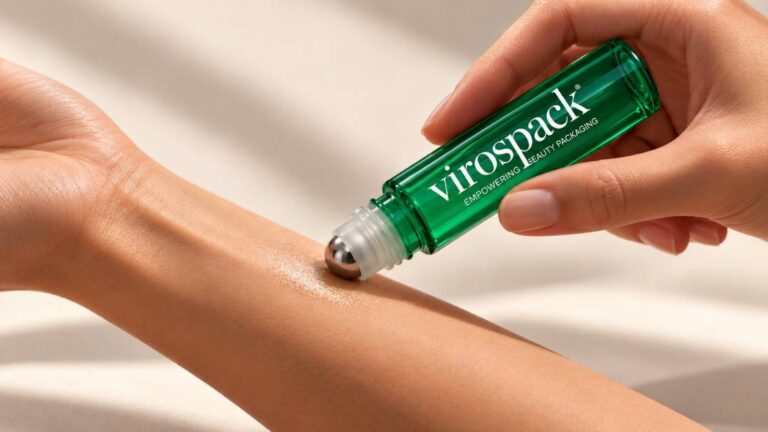
Table of Contents
What is a roll-on perfume oil?
A roll-on perfume oil combines fragrance with a carrier oil, such as jojoba or fractionated coconut oil, instead of the alcohol used in sprays. It is applied by rolling a ball across the skin, which releases a thin, controlled layer of product.
Because there is no alcohol to evaporate, the scent develops more slowly and stays closer to the body. Perfume oils are often described as “skin scents”: they are noticed by people nearby rather than projected across a room. They are frequently more concentrated than many sprays, so a small amount goes a long way.
Roll-on perfume oil vs. spray perfume
Roll-on perfume oil | Spray perfume | |
Base | Carrier oil, alcohol-free | Usually alcohol |
Application | Direct contact on pulse points | Mist dispersed over skin and clothes |
Projection | Soft and close to the skin | Wider projection |
Feel on skin | Gentle, slightly moisturizing | Can feel drying for some skin types |
Dose control | Precise, minimal waste | Part of the mist is lost in the air |
Portability | Compact, discreet, travel-friendly | Larger formats, mostly kept at home |
Neither format is better in absolute terms: they answer different needs. Many consumers now own both, using a spray for the morning and a roll-on perfume oil to reapply or layer during the day.
Why the roll-on perfume oil format is winning
Several shifts in consumer behavior explain why roll-on perfume oils are moving from a niche to a mainstream fragrance format:
- The rise of skin scents: consumers are looking for discreet, personal fragrances rather than strong sillage. Oil-based formulas fit this preference naturally.
- Alcohol-free formulas: people with dry or sensitive skin, and those who prefer alcohol-free beauty, see perfume oils as a gentler option.
- Layering: roll-ons make it easy to combine scents on different pulse points or apply a second fragrance over a base.
- Reapplication on the go: a 10 mL roll-on fits in a pocket or a small bag and can be applied discreetly at any time.
- Travel: small roll-on formats are well within the carry-on limits for liquids.
- Discovery and gifting: compact sizes make it easier for brands to offer discovery sets, minis and gift collections at an accessible price.
- Wellness and aromatherapy: the same gesture is used for aromatic blends designed for relaxation or focus, which broadens the format beyond classic perfumery.
For brands, this means a fragrance format with a lower entry price, a smaller fill volume and strong repeat purchase potential, without giving up a premium image.
How brands package roll-on perfume oil
A roll-on looks simple, but every part of the pack affects how the fragrance is preserved, how it is applied and how it is perceived. If you want a broader overview of the format across fragrance, skincare and sensorial products, our guide to the roll-on bottle covers it in detail. Here we focus on what perfume oil specifically requires.
1. The vial: glass first
Glass is the reference material for roll-on perfume oils. It is chemically inert, so it does not interact with concentrated fragrance compounds or essential oils, and it offers an excellent barrier that helps preserve the scent over time. It also delivers the weight, clarity and finish that consumers associate with fine fragrance.
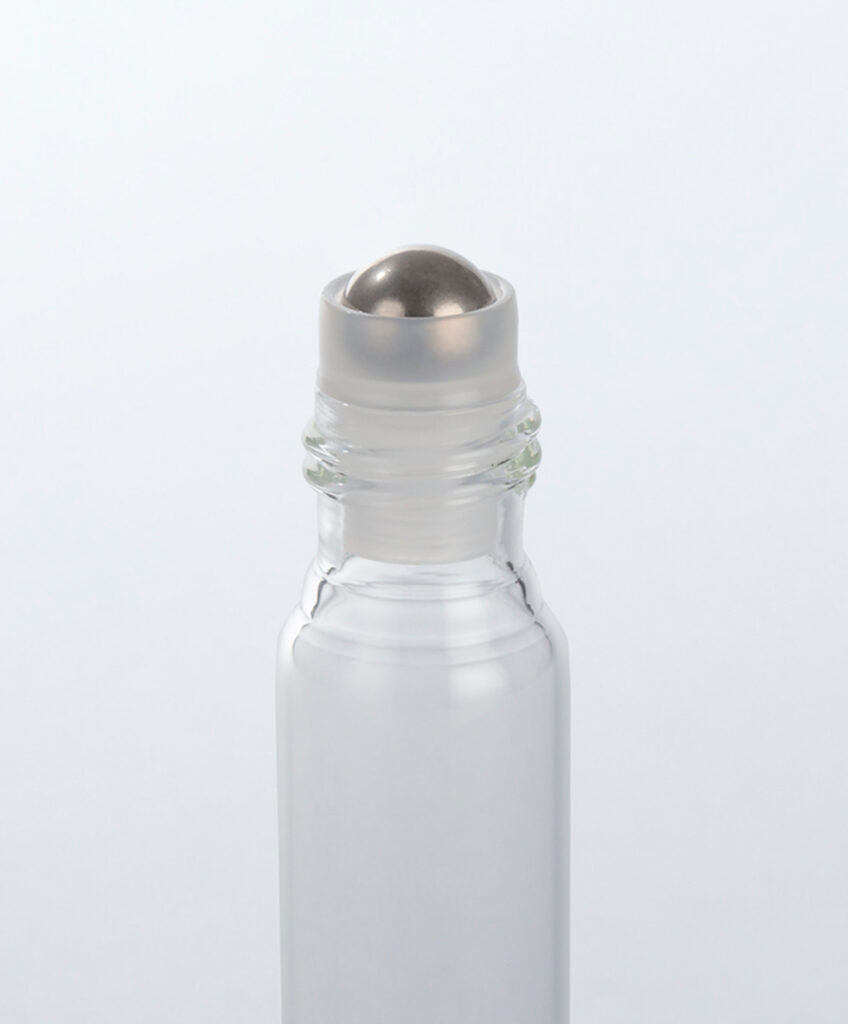
Virospack’s roll-on vials are made in glass with a 15/415 neck and are available in 5, 10 and 15 mL, including a 10 mL version with a round base. These capacities match the way perfume oils are used: a few passes of the ball per application, so even a 10 mL vial lasts for weeks.
2. The ball: steel, glass, ceramic or plastic
The ball is where the consumer touches the product, so its material shapes the whole experience:
- Steel: the most popular choice for perfume oils. It glides smoothly, distributes the product evenly and gives a pleasant cool sensation on the skin.
- Glass: inert and elegant, a good match for premium positioning and sensitive formulas.
- Ceramic: smooth and cool to the touch, with a refined, high-end feel.
- Plastic (PP): lightweight and versatile, suitable for many formulas and price points.
Virospack offers roll-on systems with steel, plastic, glass or ceramic balls, so the ball can be chosen according to the formula and the experience the brand wants to create.


3. The fit and the cap: no leaks, no evaporation
Perfume oils are fluid and often contain volatile aromatic compounds. The ball housing must hold the ball firmly enough to prevent leaks when the vial is carried in a bag, while still letting the product flow evenly when the consumer applies it. The cap must close securely to protect the fragrance from evaporation and the ball from dust. A precise, standardized neck is what makes this fit reliable from one unit to the next.
4. Protection from light
Many fragrance materials and essential oils are sensitive to light. Tinted glass, or opaque and translucent coatings applied to clear glass, help protect the formula, especially when the vial will be carried around and exposed to daylight.
5. Decoration: from vial to fragrance object
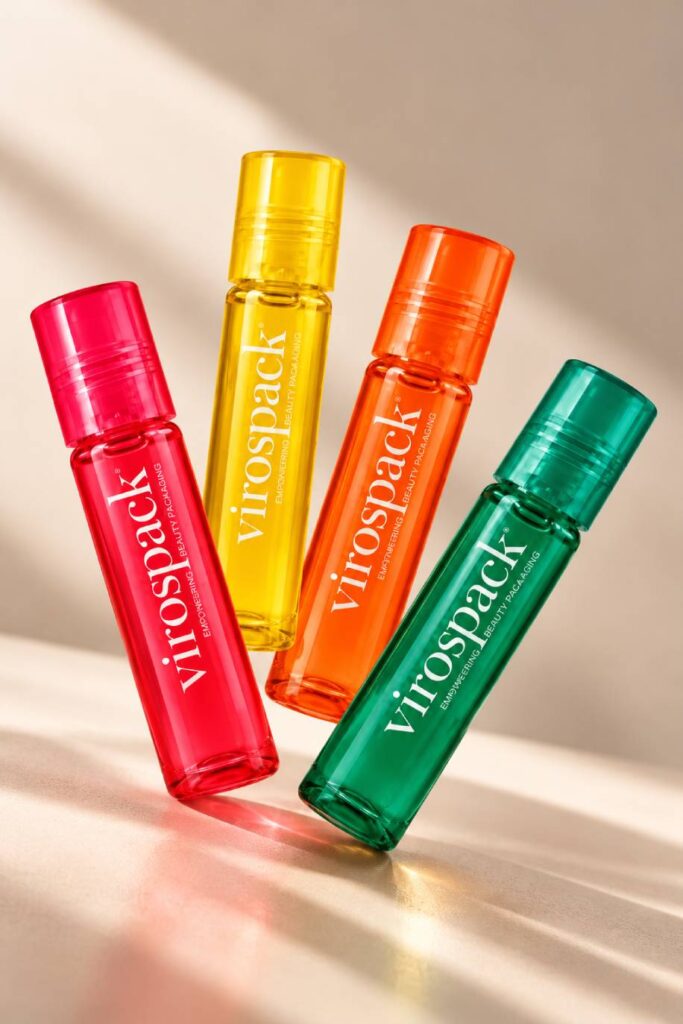
Because the format is small, every detail is visible. Coloring, lacquering, screen printing, hot stamping and metallized caps transform a compact vial into a recognizable fragrance object. Virospack carries out coloring, decoration and finishing in its own facilities, which allows brands to adapt the vial and its components to their identity.
Droppers Catalogue
Discover our full range of droppers catalogue
Borrowing the codes of fine fragrance
Whether it comes in a roll-on or another format, a perfume oil is judged by fragrance standards, so its packaging tends to borrow the visual codes of fine perfumery. The Aerin Rose Oil, featured in our showroom, shows this clearly. Its square, thick-based clear glass bottle and gold collar recall a classic perfume flacon, while the oil inside is presented as a precious, concentrated product. The square silhouette, the gold accent and the transparency of the glass do the work of signaling luxury.
The same principle applies to roll-on vials: a metallized or gold-toned cap, a carefully chosen glass tint and a restrained label can give a 10 mL vial the presence of a much larger fragrance bottle.
Protecting aromatic blends with tinted glass
Scented oils used for wellness and aromatherapy face the same challenge as perfume oils: their aromatic compounds need protection. The Naturopathica Inspire Aromatic Alchemy, also part of our showroom, uses a deep cobalt blue glass bottle with a dark bulb and a silver collar. The tinted glass protects the aromatic blend from light, while the intense color makes the product instantly recognizable and communicates its sensorial, wellness positioning.
For a roll-on perfume oil, tinted glass offers the same double benefit: protection for the formula and a strong visual signature for the brand.

Roll-on or dropper for perfume oils?
Both formats are used for perfume oils, and the choice depends on the formula and the ritual:
- Roll-on: best for fluid perfume oils applied directly to pulse points, carried during the day and reapplied often.
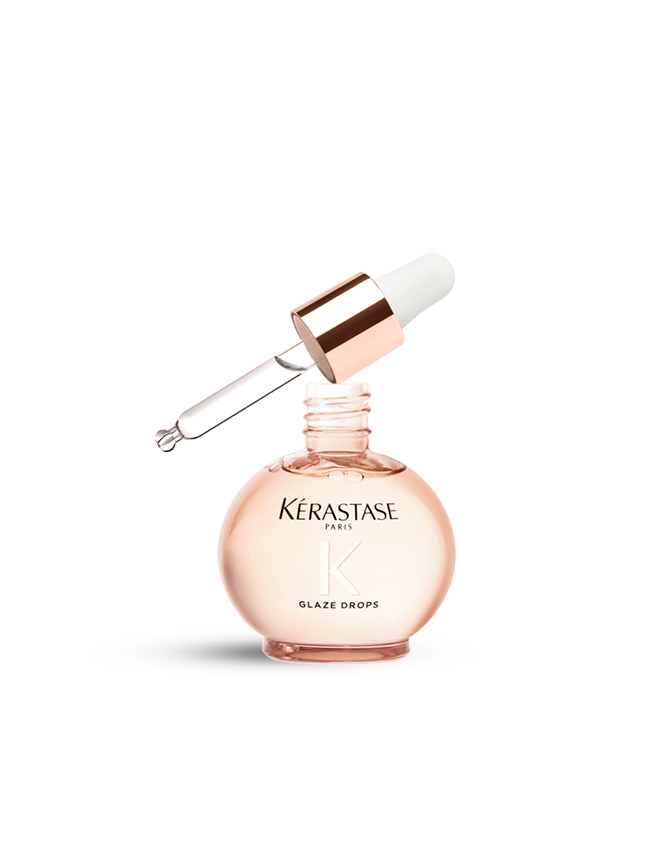
- Dropper: best for concentrated oils, precious extracts and formulas the consumer may want to dose precisely or mix with other products. Glass bottles with cosmetic droppers give these oils a treatment-like, ritual presentation.
Many brands offer both: a dropper bottle for the home ritual and a roll-on for daily carry. If you are considering a dropper presentation, see our guide to custom perfume bottles with dropper.
Checklist for packaging a roll-on perfume oil
- Is the vial in glass, and is the glass tint suited to the light sensitivity of the formula?
- Is the ball material compatible with the fragrance and the carrier oil?
- Does the ball deliver an even, pleasant application without leaking?
- Does the cap close securely to prevent evaporation?
- Is the capacity right for the use: 5 mL for discovery, 10 mL for daily carry, 15 mL for a hero product?
- Does the decoration communicate a fragrance-level identity on a small surface?
- Can the same design be extended to a discovery set or a collection?

Why fragrance brands work with Virospack
For 70 years, Virospack has specialized in glass packaging and dispensing systems for the beauty industry, manufacturing glass, plastic components and decoration in its own facilities. Its roll-on range combines glass vials, a standardized neck and a choice of ball materials with in-house coloring and finishing, so fragrance brands can develop a roll-on perfume oil that performs reliably and looks as premium as their spray collection.

Frequently asked questions about roll-on perfume oil
What is roll-on perfume oil?
It is a fragrance blended into a carrier oil instead of alcohol and applied directly to the skin with a rolling ball. It gives a soft, close-to-the-skin scent and is easy to carry and reapply.
Is roll-on perfume oil better than spray perfume?
It is different rather than better. Perfume oil is alcohol-free, gentler on the skin and stays closer to the body, while sprays project more widely. Many people use both.
How long does roll-on perfume oil last?
On the skin, perfume oils typically last several hours, depending on the concentration, the notes and the skin type. Because they sit close to the skin, they can feel more subtle even when they last a long time.
Where should you apply roll-on perfume oil?
On pulse points such as the wrists, the sides of the neck, behind the ears and the inner elbows, where body warmth helps the fragrance develop.
What size are roll-on perfume oil bottles?
The most common sizes are 5 mL, 10 mL and 15 mL. A 10 mL roll-on (about 0.34 fl oz) is the standard format for daily carry.
What is the best material for a roll-on perfume bottle?
Glass is the best choice for the vial because it is inert and protects the fragrance. For the ball, steel is the most popular option for perfume oils thanks to its smooth glide and cool feel, while glass and ceramic balls offer a premium alternative.
Can you put any perfume oil in a roll-on bottle?
Most fluid perfume oils work well in a roll-on. Very thick or viscous formulas may not flow evenly through the ball, and the ball material should always be tested with the specific formula.
Why do roll-on perfume oils leak?
Leaks usually come from a poor fit between the ball, its housing and the neck of the bottle, or from a cap that does not close tightly. A precise, standardized neck and a well-designed ball housing prevent this.