

Brown Dropper Bottles: UV-Protective Glass for Serums, Oils and Treatment Drops
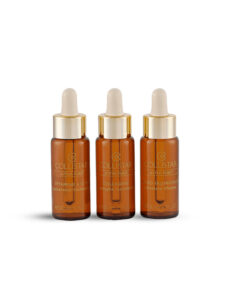
Brown dropper bottles are one of the most recognisable formats in cosmetic and skincare packaging.
Their value is not only aesthetic. Brown glass, often referred to as amber glass, is widely associated with formulas that require a higher level of care, especially when light exposure may affect the product over time.
For serums, facial oils, botanical extracts and treatment drops, the bottle is part of the formula’s protection strategy.
A brown dropper bottle helps create a more controlled environment for sensitive products while also supporting precise application through the dropper system. This makes it especially relevant for beauty formulas where only a few drops are needed at each use.
The result is packaging that feels protective, technical and naturally connected to high-performance skincare.
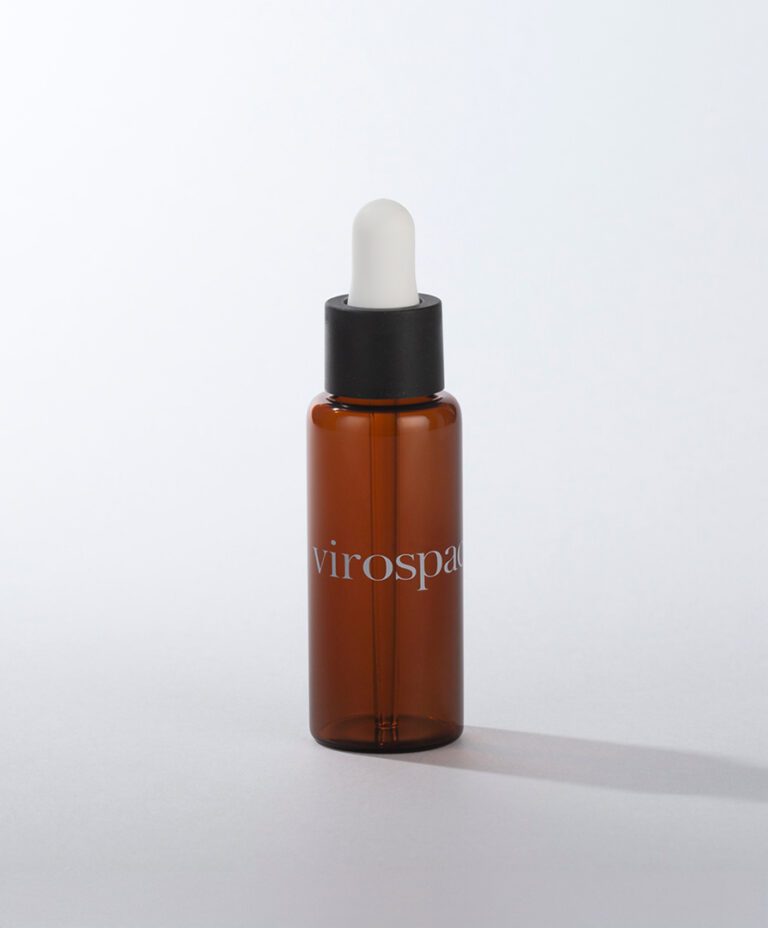
Table of Contents
Why Brown Dropper Bottles Are Used in Beauty Packaging
Brown dropper bottles are commonly used when a formula needs to communicate stability, care and controlled application.
The brown tone immediately suggests that the product inside should be protected from unnecessary exposure. This is particularly important for formulas positioned around active ingredients, oils, extracts or concentrated treatments.
Unlike clear glass, which reveals the formula completely, brown glass creates a more protective visual language.
It tells the consumer that the product is not simply decorative or sensorial. It is something that needs to be used with intention.
This is why brown dropper bottles are especially common in categories such as facial serums, treatment oils, botanical extracts, vitamin-based skincare, scalp treatments and concentrated beauty drops.
The packaging supports the same message across all of them: the product is concentrated, measured and designed for careful use.
Brown Glass and UV Protection
The main reason brands choose brown dropper bottles is protection from light exposure.
Many cosmetic formulas contain ingredients that may be sensitive to light, especially when the product is used over several weeks or months. Brown glass helps reduce the amount of light reaching the formula compared with fully transparent packaging.
This protective role is not only a cosmetic packaging convention. Coloured glass containers are also evaluated in pharmaceutical packaging according to their spectral transmission when used for light-sensitive products, and amber glass is widely recognised in packaging as a UV-resistant option.
This does not mean that every brown bottle offers the same level of protection.
Performance depends on the glass composition, colour intensity, wall thickness, finish and complete packaging system. However, brown glass is strongly associated with a more protective approach because it limits visual exposure and reinforces the idea of formula stability.
For light-sensitive beauty formulas, this matters.
A serum or oil is not only exposed to light during storage. It is also exposed during daily use, when the bottle is opened, handled, placed near a bathroom window or carried in a travel pouch.
Brown glass helps the packaging respond to those real-life conditions.
It gives the formula a more protective environment and gives the consumer a clear visual signal: this product has been designed with care.
Why Serums Benefit from Brown Dropper Bottles
Serums are one of the most natural applications for brown dropper bottles.
They are usually formulated with a higher concentration of active ingredients and are applied in small amounts. This makes both protection and dosage control important.
A brown glass bottle helps reinforce the perception that the serum is active and sensitive.
The dropper completes that message by allowing the user to dispense the formula gradually. Instead of applying too much product at once, the consumer is encouraged to use only the number of drops needed for the routine.
This is especially relevant for formulas containing ingredients such as antioxidants, botanical extracts, exfoliating acids, retinoid-inspired compounds or vitamin-based actives.
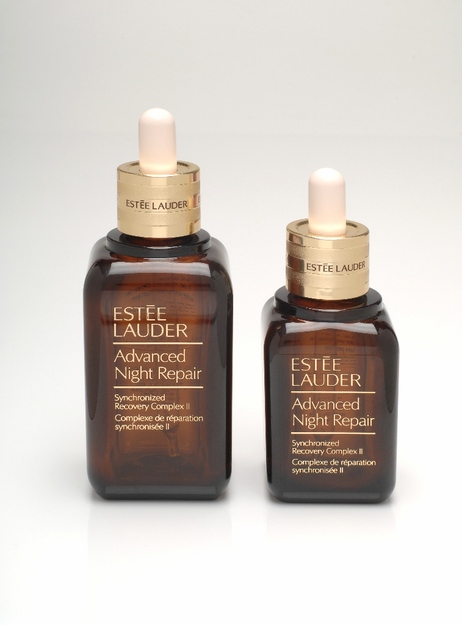

Estée Lauder Advanced Night Repair shows why brown dropper bottles have become so strongly associated with treatment serums. The product is positioned around night repair and includes ingredients such as Tripeptide-32, sodium hyaluronate, bifida ferment lysate, yeast extract, caffeine, squalane and vitamin E derivative in its ingredient list. In this context, the brown bottle and controlled dispensing gesture support a skincare ritual based on consistency, precision and nighttime repair.
A different but equally relevant example is L’Erbolario Prima & Poi Anti Age Serum. The product is described as a concentrated anti-age face serum designed to prepare and intensify tanning, with functional substances including amaranth oil, olive oil, Kalahari watermelon pulp extract, rice bran oil, olive leaf extract and vitamin E from soybean seeds. Its use instructions also refer to dispensing a modest amount with a dropper. For this type of botanical anti-age serum, brown dropper packaging supports both ingredient care and measured application.
- The packaging does not need to overstate the formula.
- The brown glass already suggests protection.
- The dropper suggests precision.
Together, they create a format that feels aligned with modern active skincare.
Droppers Catalogue
Discover our full range of droppers catalogue
Brown Dropper Bottles for Face and Body Oils
Brown dropper bottles are also highly relevant for oil-based beauty formulas.
Oils often require more dosage control than creams or lotions. Too much product can feel heavy, while the right amount can create a nourishing, sensorial and refined experience.
A dropper helps regulate that dosage.
The user can apply one, two or several drops depending on skin type, body area, routine and desired finish. This makes the formula feel more adaptable and prevents unnecessary overuse.
Brown glass adds another layer of meaning.
It connects the oil with protection, botanical care and stability. This is especially useful for oils based on plant extracts, essential oils or ingredients where the brand wants to communicate naturality without making the product feel fragile or informal.
Bawdy Botanical Body Oil illustrates this very clearly. The product is presented as a botanical body oil with a non-greasy finish and 300 mg of full-spectrum CBD, and its listed ingredients include sunflower seed oil, jojoba seed oil, marula oil, horsetail extract, arnica, patchouli oil, frankincense oil and vitamin E. For this type of oil-based formula, brown packaging reinforces the botanical and treatment-led identity, while controlled dispensing helps avoid the sense of excess that can easily occur with oils.
In oil packaging, brown glass creates a balance between apothecary heritage and premium beauty precision.
It feels protective, but not overly clinical.
It feels natural, but still refined.


Treatment Drops Need Packaging That Supports Precision
Treatment drops are different from conventional beauty products.
They are often used to target a specific concern, boost a routine or add a concentrated ingredient to another product. Because of this, the packaging must help the consumer understand that the formula should be used in measured amounts.
A brown dropper bottle supports this behaviour clearly.
- The small bottle format suggests concentration.
- The brown glass suggests protection.
- The dropper suggests controlled application.
This is especially useful for products such as booster drops, concentrated actives, scalp drops, glow drops or oil-based treatment formulas.
Thrive Regenerative Skincare Spot On Tone Balance is a strong example of this targeted logic. Thrive describes the product as a tone-balancing serum designed for dark spots and uneven tone, with microalgae, regenerative plants and fruit extracts. This type of formula benefits from packaging that communicates selective application rather than broad, generous use.
In this context, the dropper does more than dispense product.
It helps define the treatment behaviour.
The user understands that the formula should be applied carefully, consistently and with purpose. That is exactly the type of message brown dropper bottles are able to communicate.
Brown Dropper Bottles for Hair and Scalp Serums
Brown dropper bottles are not limited to facial skincare.
Hair care has increasingly adopted the language of serums, actives and targeted treatment. Scalp serums, strengthening formulas and concentrated hair treatments often require more precision than traditional hair products, especially when they are applied directly to the scalp or distributed in controlled amounts through the hair.
This shift makes brown dropper bottles especially relevant.
They help move the product away from the world of conventional hair care and closer to the language of skincare: dosage, treatment, consistency and controlled application.
Sephora Collection Strengthening Hair Serum is a good example of this evolution. The product is described as a strengthening serum for denser hair, enriched with biotin and vegetal proteins structurally similar to keratin. Its directions specify applying a few drops to dry or damp scalp once a day, preferably in the evening, and massaging the product through the scalp without rinsing.
This is exactly where dropper packaging becomes valuable in hair care.
The formula is not poured into the hand.
It is placed, adjusted and distributed.
The brown bottle can reinforce the perception of a more concentrated treatment, while the dropper helps the user control how much product is applied and where.

Brown Glass vs Clear Glass
The choice between brown and clear glass depends on what the brand wants to prioritise.
Clear glass is ideal when the appearance of the formula is part of the product experience. If the colour, texture or movement of the liquid is important, transparency can help create desire and trust.
Brown glass works differently.
It reduces visibility in order to reinforce protection. The consumer does not see the formula as clearly, but they immediately understand that the product is being treated with greater care.
This makes brown glass especially appropriate when the formula’s stability, sensitivity or active positioning is more important than full visual exposure.


Iconic treatment serums such as Estée Lauder Advanced Night Repair have helped establish this visual association between brown dropper bottles, night care and controlled skincare application. The consumer does not need to see the formula completely to understand its value. The brown bottle already communicates that the product belongs to a more protective and treatment-led category.
Neither option is universally better.
Clear glass supports visibility.
Brown glass supports protection.
The right decision depends on the formulation, the brand identity and the role the packaging should play in the consumer’s perception.
Brown Glass vs Other Dark Glass Finishes
Brown glass belongs to the wider family of dark glass packaging, but it has its own identity.
Black glass often feels more luxurious, intense or editorial.
Deep blue glass can suggest technical skincare, hydration or night care.
Smoked grey glass may create a more modern and minimalist impression.
Brown glass, by contrast, is more directly connected with protection, botanical ingredients and apothecary-inspired skincare.
That makes it especially suitable for formulas where the brand wants to communicate care, stability and ingredient sensitivity without creating an overly dramatic luxury code.
It is protective, but familiar.
Technical, but natural.
Premium, but not distant.
This is why brown dropper bottles remain so effective for serums, oils and treatment drops.
They create a visual language that consumers already understand.

Choosing the Right Dropper System
The bottle protects the formula, but the dropper defines how the product is used.
For most brown dropper bottles, a standard dropper is the most versatile choice. It allows the user to control the dose manually and adapt the amount depending on the formula, routine or application area.
This is particularly useful for facial oils, botanical extracts and treatment drops where the user may not need the same amount every day.
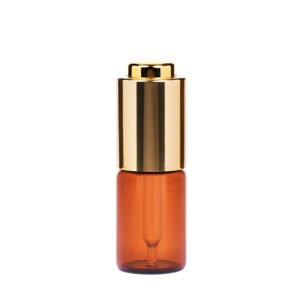
For active serums where repeatability is especially important, a push button dropper can offer a more consistent dispensing gesture. This can help reinforce a more technical and precise positioning.
The choice should depend on the formula’s behaviour.
A lightweight serum may need smooth, clean dispensing.
A richer oil may need a dropper that controls flow without releasing too much product.
A concentrated treatment may need a system that makes small-dose application feel intuitive.
The best brown dropper bottle is not defined by colour alone.
It is defined by how well the bottle and dispensing system work together.
Bottle Size and Controlled Use
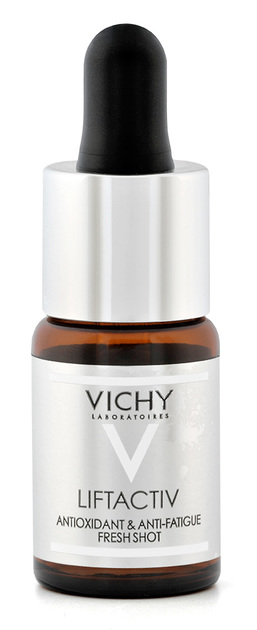
Brown dropper bottles are often used in smaller or medium capacities because many of the formulas they contain are concentrated.
A 10 ml, 15 ml or 30 ml format can reinforce the idea that the product is not designed for generous use, but for measured application.
This matters in skincare.
The size of the bottle influences how the consumer understands the product. A compact brown dropper bottle suggests a formula that should be dosed carefully. A larger format may be more appropriate for oils or treatments used more frequently.
Capacity should therefore be chosen according to the rhythm of use.
A booster or active treatment may require a smaller format.
A facial oil may need more flexibility.
A scalp treatment or body oil may require a larger quantity while still benefiting from dropper control.
The packaging should make the correct use of the product feel natural.
Tubular and Moulded Brown Dropper Bottles


Brown glass can be used in different bottle constructions, and each one changes the product’s perception.
Tubular glass bottle and vials create a clean, precise and functional appearance. They work well for serums, boosters and ingredient-led treatments where the brand wants to communicate efficacy, simplicity and controlled use.
Moulded glass bottle create a stronger sense of presence. Their thicker bases, more defined silhouettes and greater weight in the hand can make the product feel more premium and ritual-oriented.
This distinction is useful for beauty brands.
A botanical booster may benefit from the clarity and efficiency of tubular glass.
A luxury facial oil may need the weight and presence of moulded glass.
A treatment drop product may sit somewhere between both, depending on whether the brand wants to feel more clinical, natural, premium or sensorial.
The brown colour creates the protective message.
The glass construction defines the level of presence.
Decoration and Brand Identity
Brown dropper bottles already have a strong visual identity, so decoration should be handled carefully.
The colour naturally communicates protection and care. Heavy decoration can easily distract from that message.
Minimal typography, clean labels, subtle metallic details or controlled screen printing often work well because they allow the brown glass to remain central to the product’s identity.
For botanical or apothecary-inspired formulas, softer labels and natural tones can reinforce ingredient transparency.
For premium skincare, metallic accents or minimal contrast can make the bottle feel more refined.
For technical serums, clean typography can strengthen the perception of efficacy and precision.
The goal is not to hide the brown glass.
The goal is to let it explain the product clearly.
Compatibility and Testing Are Essential

Brown glass is often chosen for formulas that need greater care, but packaging decisions should never be based on appearance alone.
Compatibility testing remains essential.
Even when glass offers strong compatibility with many cosmetic formulas, the complete pack includes more than the bottle. The pipette, bulb, cap, closure, decoration, coating and any internal component must be evaluated with the formula.
This is particularly important for oils, active serums, botanical extracts and fragrance-containing formulas.
Some ingredients may interact differently with elastomers or decorative finishes. Some formulas may change viscosity over time. Some oils may require specific dispensing behaviour to avoid leakage, over-dosing or inconsistent application.
For brands, testing is not a delay.
It is part of responsible packaging development.
A brown dropper bottle should look protective, but it should also perform reliably throughout the product’s lifecycle.
When Brown Dropper Bottles Are the Right Choice
Brown dropper bottles are especially suitable when a beauty product needs to communicate protection, precision and formulation care.
They work well for serums, facial oils, botanical extracts, vitamin-based formulas, scalp drops and concentrated treatment products.
They are also a strong option when the brand wants to create a more natural, apothecary or ingredient-led identity without losing a premium skincare feel.
However, brown glass is not always the best choice.
If the product relies heavily on visual texture, colour or transparency, clear glass may communicate the formula better. If the brand wants a more luxurious, dramatic or editorial identity, black glass may be more appropriate. If the product needs a softer or more sensorial image, frosted finishes may offer a better visual language.
The right packaging choice depends on the formula.
Brown dropper bottles are most effective when the product benefits from controlled application, reduced light exposure and a visual identity built around care.
Frequently Asked Questions About Brown Dropper Bottles
What are brown dropper bottles used for?
Brown dropper bottles are commonly used for serums, facial oils, botanical extracts, vitamin-based skincare, scalp serums and treatment drops that require controlled dispensing and a more protective packaging format.
Are brown dropper bottles the same as amber dropper bottles?
In cosmetic packaging, brown and amber are often used to describe similar protective glass tones. Amber glass usually refers to the warm brown colour associated with reduced light exposure and ingredient protection.
Do brown dropper bottles protect formulas from UV light?
Brown glass can help reduce light exposure compared with clear glass, but the level of UV protection depends on the glass composition, colour intensity, wall thickness, finish and complete packaging system.
Why are brown dropper bottles used for oils?
Brown dropper bottles are useful for oils because they combine a protective visual identity with controlled dispensing. The dropper helps the user apply only the amount needed, avoiding unnecessary overuse.
What formulas are best suited to brown dropper bottles?
Brown dropper bottles are especially suitable for active serums, facial oils, botanical extracts, antioxidant formulas, scalp drops and concentrated treatments where precision and protection are important.