

Tincture Bottles with Dropper: Precision and Protection for Skincare, Hair Care and Makeup
The way a cosmetic formula is dispensed has become almost as important as the formulation itself.
As skincare, hair care and makeup products evolve towards lighter textures, higher concentrations and more targeted application, packaging must support a completely different way of using the product.
This is one of the reasons why tincture bottles with dropper continue to be widely used across premium cosmetic categories.
More than simply storing the formulation, they help regulate how the product is dosed, how it is experienced and how consistently it is applied from the first use to the last.
For products where every drop contributes to performance, precision becomes part of the packaging itself.
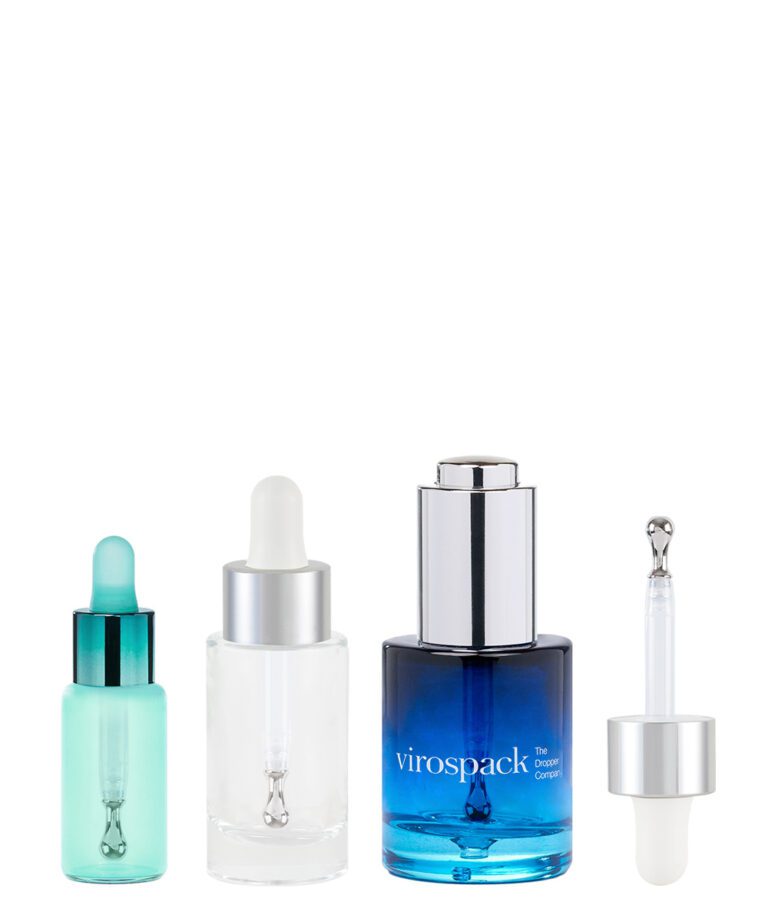
Table of Contents
Why Precision Has Become a Priority in Modern Cosmetics
Cosmetic formulations have changed significantly over the last decade.
Many products no longer rely on generous application to achieve visible results. Instead, they incorporate highly concentrated ingredients designed to work effectively in much smaller quantities.
This evolution changes the role of packaging.
The container is no longer responsible only for protecting the formula.
It must also support accurate dosing, repeatable application and controlled product consumption.
A tincture bottle with a dropper naturally responds to these requirements, allowing the formulation to be dispensed progressively rather than all at once.
In this context, precision is not simply a technical advantage.
It becomes part of the product experience.

Why Skincare Formulations Benefit from Tincture Bottles
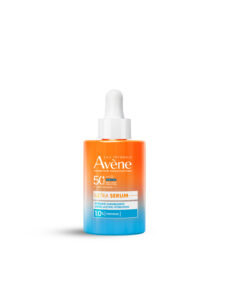
Modern skincare is increasingly built around active ingredients.
Vitamin C derivatives, peptides, niacinamide, retinoids, botanical extracts and other performance-driven ingredients are typically formulated to deliver results through consistency rather than quantity.
This makes controlled dispensing particularly valuable.
Applying too much product rarely improves performance and may simply increase consumption.
A tincture bottle with a dropper encourages the opposite behaviour.
The user naturally dispenses only the amount required, making every application feel deliberate and repeatable.
The packaging therefore reinforces the philosophy behind modern skincare: achieving better results through precision rather than excess.
Hair Care Is Becoming More Like Skincare
One of the biggest changes in cosmetic packaging has taken place in hair care.
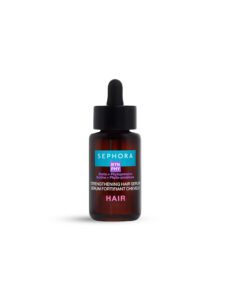
Hair treatments increasingly resemble facial serums.
Scalp concentrates, bond-building treatments, hair oils and leave-in repair formulas are now formulated with lightweight textures and active ingredients that require controlled application.
This changes how these products are used.
Rather than pouring the formulation into the hand, consumers often apply it section by section or directly onto specific areas of the scalp or hair.
A tincture bottle with a dropper supports this transition by allowing accurate placement while reducing unnecessary product waste.
The packaging evolves alongside the formulation, bringing the precision traditionally associated with skincare into modern hair care routines.
Droppers Catalogue
Discover our full range of droppers catalogue

Why Makeup Is Also Moving Towards Precision Packaging
Colour cosmetics are also changing.
Hybrid formulations that combine makeup with skincare benefits have introduced new packaging challenges.
Products such as liquid complexion enhancers, skin tints, illuminating concentrates and primer-serum hybrids often require far greater dosing control than traditional foundations.
A tincture bottle allows these formulations to be dispensed progressively, making it easier to mix products, layer application or adjust coverage according to individual preferences.
Rather than treating packaging as a secondary element, many brands now use dispensing precision as part of the overall makeup experience.
Protection Begins with the Bottle
Precision alone is not enough.
The packaging must also help preserve the formulation throughout its lifecycle.
Glass remains one of the preferred materials for tincture bottles because it offers excellent compatibility with a broad range of cosmetic formulations while reinforcing perceptions of quality and stability.
Different glass finishes can also support different formulation needs and brand identities.
Clear glass highlights the appearance and texture of the formula, frosted finishes introduce a softer and more premium aesthetic, while coloured glass can contribute to reducing light exposure for formulations that benefit from additional protection.
The choice is rarely aesthetic alone.
It should always reflect the behaviour of the formulation inside.

Why Tincture Bottles Support Formula Stability Throughout Daily Use
The performance of a cosmetic formulation depends on more than its ingredients.
It also depends on how consistently the product is protected between applications.
Every time a serum, scalp treatment or liquid cosmetic is opened, the formulation is briefly exposed to external conditions before being sealed again. Over weeks or months of daily use, these repeated interactions become part of the product’s lifecycle.
A well-designed tincture bottle helps manage this process.
Its compact format limits unnecessary headspace, while the glass container provides a stable environment for formulations that are designed to maintain their characteristics throughout repeated use.
Combined with a controlled dispensing system, the bottle encourages consumers to remove only the amount of product they need before resealing the package.
The result is not simply a better application experience.
It is a packaging format designed to accompany the formulation from the first dose to the last with the same level of control.
Why Different Cosmetic Categories Require Different Dispensing Experiences


Although skincare, hair care and makeup increasingly share lightweight textures and concentrated formulations, each category places different demands on how the product is dispensed.
In skincare, precision is often the priority. Facial serums, boosters and active treatments are formulated to be applied in small, controlled quantities, making a standard dropper an ideal solution for users who prefer to adjust the dosage according to their routine. For formulations where consistency between applications is especially important, Push button droppers can provide a more repeatable dispensing cycle while reinforcing the perception of technical performance.
In hair care, the objective is slightly different. Hair oils, scalp concentrates and leave-in treatments often need to be distributed across different sections of the hair while avoiding unnecessary product waste. A dropper allows the formulation to be dispensed progressively, making it easier to control the amount applied without overloading the hair or scalp. Depending on the positioning of the product, brands may favour either a traditional dropper for greater flexibility or a push button system for more consistent dosing.
In makeup, dispensing becomes part of the creative process. Skin tints, illuminating concentrates and hybrid complexion products are frequently layered, mixed or customised before application. A dropper allows users to build coverage gradually, while also making it easier to combine formulations without dispensing more product than necessary.
Across all three categories, the objective remains the same: matching the dispensing experience to the behaviour of the formulation. The most effective tincture bottle is not defined by the dropper it uses, but by how naturally the dispensing system supports the way the product is intended to be applied.

Why Colour Plays a Strategic Role in Tincture Bottle Design
Colour is one of the first elements consumers notice when they pick up a cosmetic product.
In tincture bottles, it does much more than define the appearance of the packaging. It helps communicate the personality of the formulation, supports brand positioning and shapes expectations before the first drop is ever dispensed.
Different cosmetic categories often use colour in different ways.
In skincare, colour is frequently associated with the function of the formulation. Blue tones are commonly linked to hydration and technical performance, green to botanical or soothing ingredients, while warmer hues may suggest nourishing or restorative treatments. The bottle becomes part of the product’s visual language, helping consumers understand the type of care they can expect.
In hair care, colour often reflects the desired result rather than the ingredients themselves. Darker bottles can reinforce the perception of intensive repair or concentrated oils, while lighter or translucent finishes communicate lightweight textures, shine and everyday use. The packaging helps position the product before it is even applied.
In makeup, colour plays an even more expressive role. Neutral tones may reinforce a minimalist, skin-first philosophy, while bold colours or gradient finishes create stronger shelf presence and differentiate premium collections. Because many liquid makeup products are layered or mixed, the bottle also becomes an extension of the brand’s aesthetic identity.
The choice of colour is therefore rarely arbitrary.
It should complement the formulation, support the product’s positioning and create a coherent experience from the moment the consumer sees the packaging to the final application. When colour, material and dispensing system are designed to work together, the tincture bottle becomes much more than a functional container—it becomes part of the story the product tells.
Which Glass Construction Best Fits Your Cosmetic Product?
Not every tincture bottle is expected to communicate the same message.
Even when two products share the same capacity and dispensing system, the construction of the glass can significantly influence how the formulation is perceived and how the overall packaging experience is interpreted.
For skincare, products developed around active ingredients often benefit from a clean, refined and highly precise appearance. Tubular Glass bottles naturally supports this positioning through its slim proportions and uniform geometry, making it particularly suitable for serums, boosters and ingredient-led formulations that communicate scientific performance and everyday efficacy.
As products move towards a more luxurious positioning, the priorities often change. Premium skincare collections frequently seek a stronger physical presence, where the packaging becomes part of the treatment ritual as much as the formulation itself. Moulded glass allows thicker bases, sculpted shoulders and more distinctive silhouettes, creating a richer tactile experience and a greater perception of craftsmanship.


In hair care, glass construction helps distinguish between lightweight daily treatments and more intensive repair products. A minimalist tubular bottle can reinforce the idea of precision and targeted scalp care, while moulded glass creates a stronger premium identity for nourishing oils and concentrated leave-in treatments designed to become part of a luxury haircare routine.
For makeup, the bottle often becomes an extension of the brand’s visual identity. Tubular glass complements clean, contemporary products such as skin tints or hybrid complexion formulas, whereas moulded glass gives designers greater freedom to create iconic shapes that strengthen shelf presence and reinforce premium positioning.
Neither construction is inherently better.
The most successful tincture bottles are those in which the glass architecture reflects the formulation, the intended application and the experience the brand wants to create. When the construction of the bottle aligns with the product inside, the packaging feels coherent, intentional and ultimately more convincing to the consumer.
FAQS About Tincture Bottles with Dropper
Are tincture bottles only suitable for skincare products?
No. Although tincture bottles are widely used for serums and active skincare, they are equally suitable for hair care and liquid makeup formulations. Their controlled dispensing makes them ideal for products that require precise application, whether they are scalp treatments, facial oils, skin tints or hybrid makeup-skincare products.
What size is most commonly used for tincture bottles?
The ideal size depends on the formulation and how it is intended to be used. Concentrated treatments are often packaged in smaller formats that encourage controlled application, while products designed for more frequent use may benefit from larger capacities without compromising dispensing precision.
Can tincture bottles be customised to match a brand identity?
Yes. Tincture bottles can be developed in different glass colours, finishes, shapes and dispensing configurations to reflect a brand’s positioning. The objective is to create packaging that not only protects the formulation but also communicates the desired product experience.
How do tincture bottles help reduce product waste?
By dispensing the formulation progressively, tincture bottles encourage consumers to use only the amount required for each application. This improves dosage control, reduces unnecessary overuse and helps maintain a more consistent skincare, hair care or makeup routine.
What should brands consider when selecting a tincture bottle?
Choosing the right tincture bottle involves much more than selecting a capacity. Brands should evaluate the formulation’s viscosity, the desired dispensing experience, the positioning of the product, the preferred glass construction and the overall user experience to ensure the packaging supports both the formula and the brand identity.