

Cosmetic Packaging Trends: Innovations Shaping the Future of Beauty Products
Cosmetic packaging trends are often interpreted as aesthetic changes — new finishes, shapes or visual identities. But in reality, the most important shifts happening today are driven by innovation.
What is shaping the future of beauty packaging is not how it looks, but how it works.
The most relevant cosmetic packaging trends are emerging from advances in formulation, application methods and manufacturing capabilities. Packaging is no longer a passive container. It is becoming an active part of the product.
Understanding these innovations is key to understanding where the industry is going.

Table of Contents
The Shift from Aesthetic Design to Functional Innovation
One of the most significant cosmetic packaging trends is the transition from visual design to functional innovation.
Packaging is no longer defined by aesthetics alone. It is increasingly defined by performance:
- how precisely it dispenses
- how it interacts with the formula
- how consistently it behaves over time
This shift reflects a deeper transformation in product development. Brands are no longer asking how packaging should look, but how it should perform under real conditions.
This is clearly visible in products like Bobbi Brown Intensive Skin Supplement, where the use of amber glass is not a design decision, but a functional one. The tinted glass protects the formula from light exposure, preserving the integrity of active ingredients.
Here, packaging is not enhancing the product visually. It is protecting how the product works.

Precision Dosing Systems Are Redefining Product Control
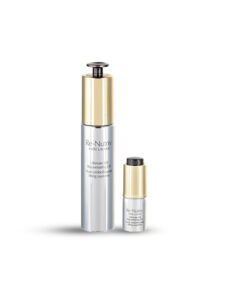
One of the clearest innovations shaping cosmetic packaging trends is the rise of precision dosing systems.
As formulations become more concentrated, controlling how much product is applied becomes critical. Inconsistent dosing directly affects both performance and perception.
This is where systems based on pipettes and advanced droppers come into play.
Traditional pipettes allow progressive dosing, adapting to user control. However, they also introduce variability depending on how they are used. To address this, more advanced solutions such as push button droppers regulate the dosing cycle internally, reducing dependency on user pressure and improving consistency.
This evolution can be seen in ranges such as Estée Lauder Re Nutriv Oil Range, where controlled application is essential to maintain the perception of precision and luxury.
Here, the innovation is not the dropper itself, but how it is engineered to stabilize performance.
Custom Cosmetic Containers as a Response to Formula Complexity
Another key innovation is the move towards custom cosmetic containers.
Standard packaging formats are no longer sufficient for increasingly complex formulations. Products today vary significantly in viscosity, structure and behaviour.
As a result, packaging must be adapted to the product, not the other way around.
This includes:
- adjusting dispensing systems to the formula
- calibrating flow behaviour
- aligning container geometry with application needs
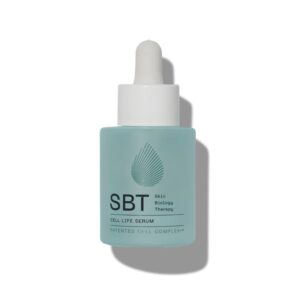
A clear example is SBT Cell Life Serum Set, where the packaging system is designed to manage multiple components and preserve formula integrity across different stages of use.
In this type of product, the container is not just holding the formula. It is organizing how the product is stored, combined and applied.
Customization here is not about differentiation. It is about functionality.
Hybrid Products Are Driving New Packaging Logic

One of the most disruptive cosmetic packaging trends is the rise of hybrid products.
These products combine characteristics from different categories, which means their packaging cannot follow traditional rules.
With Giorgio Armani Maestro Fusion Makeup, the product behaves like a foundation but is formulated and positioned closer to skincare.
This creates a new requirement.
The packaging must allow controlled, progressive application, while remaining fluid and intuitive for daily use. A pump would be too rigid. A dropper introduces flexibility, but also variability.
This balance defines a new type of packaging logic, where the container must adapt to multiple usage behaviours.
Droppers Catalogue
Discover our full range of droppers catalogue
Glass Is Evolving into a Functional Material
Glass has always been associated with premium packaging, but its role is evolving.
One of the most important cosmetic packaging trends is the use of glass as a functional material, not just a visual one.
The internal geometry of the container directly affects how the product behaves.
For example:
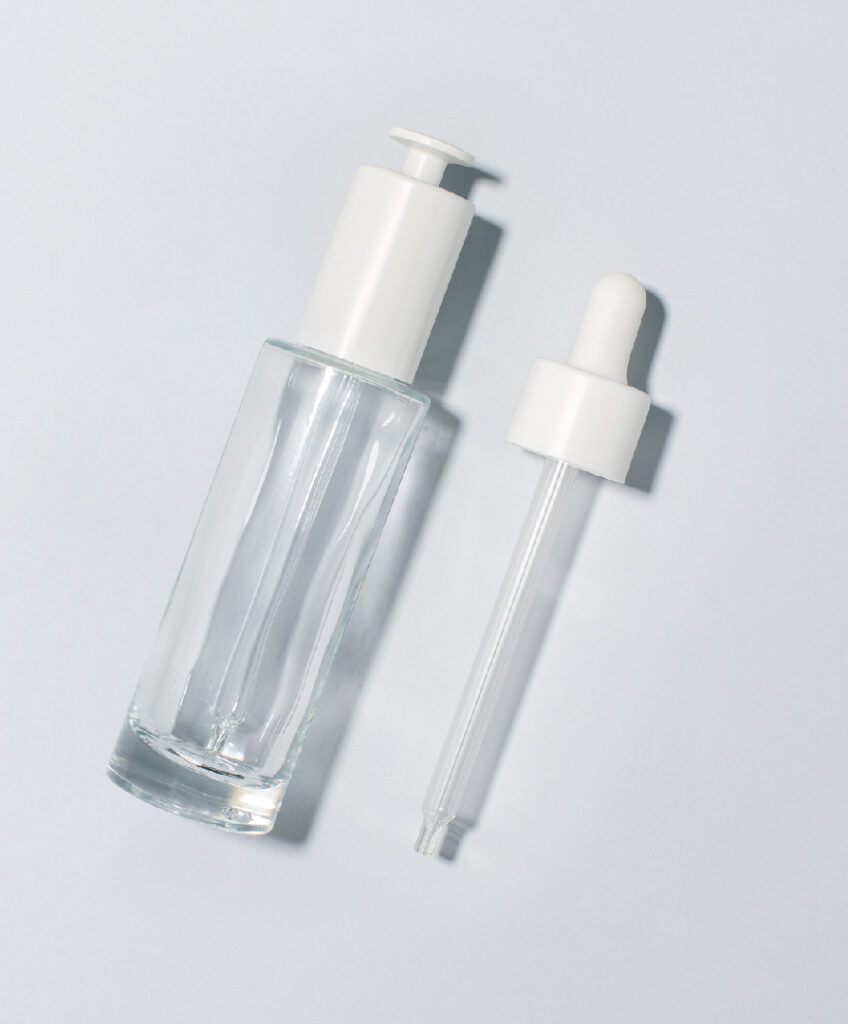
- Tubular Glass provides highly controlled internal dimensions, supporting stable dosing in dropper systems
- Moulded Glass allows more complex shapes and heavier structures, but requires additional calibration to maintain consistency
This distinction is visible in products like Bumble and bumble Bond Building Repair Oil Serum, where the container must balance performance with visual identity.
Here, material choice is not aesthetic. It is technical.

Packaging Is Becoming Part of the Application Experience

Another innovation shaping cosmetic packaging trends is the integration of packaging into the application process.
The container no longer simply holds the product. It defines how it is used.
This includes:
- the gesture of application
- the speed of dispensing
- the amount applied
Packaging is becoming an interface between the product and the user.
This is clearly visible in Guerlain Abeille Royale Youth Watery Oil, where the dropper system is designed to control how the product is applied to the skin.
The gesture, the speed and the quantity are all influenced by the packaging.
The result is that application becomes part of the product experience, not just a step before it.
What These Cosmetic Packaging Trends Mean for Brands
For brands, these cosmetic packaging trends are not abstract directions. They define how products should be developed.
Packaging decisions must now be made earlier in the process, in direct relation to:
- formula behaviour
- application method
- user expectations
This requires a more integrated approach to product development, where packaging is considered part of the product itself.
Brands that adopt this approach gain control over performance and consistency.
Those that do not risk creating products that look premium but behave inconsistently.
FAQs About Cosmetic Packaging Trends
What are the main cosmetic packaging trends today?
The most important trends focus on functionality: precision dosing, customization based on formula behaviour, integration of packaging into the application process and more technical approaches to materials and sustainability.
Why is packaging becoming more technical?
Because formulations are becoming more complex. This requires packaging to control how the product is dispensed and applied, not just contain it.
What role does customization play in packaging trends?
Customization ensures that packaging is adapted to the specific needs of the formula and its application, rather than relying on standard formats.
How does packaging influence user experience?
Packaging defines how the product is applied, how much is used and how consistent the experience feels over time.
Is sustainability still a key trend in cosmetic packaging?
Yes, but it is evolving. The focus is shifting from messaging to technical solutions integrated into packaging design and manufacturing.