

Dropper vs Dispenser: Key Differences and How to Choose the Right Packaging
In skincare and cosmetic packaging, the choice between a dropper and a dispenser is not aesthetic. It is structural. It affects dosage accuracy, formula behavior, user experience, and brand positioning.
The discussion around dropper vs dispenser should not be framed as a competition. Both systems are highly effective when correctly aligned with formula design and product intent. The real question is not which one is better — but which one fits the product logic.
This guide provides a clear decision framework.
Table of Contents
Understanding the Core Functional Difference
At a technical level, the difference between dropper and dispenser lies in how the product is released.
A dropper:
- Draws product manually.
- Allows variable dosing.
- Requires user control.
A dispenser (pump-style system):
- Delivers a predefined amount.
- Provides repeatable output.
- Minimizes dosing variation.
This structural distinction defines everything else.
When to Choose a Dropper
1. When the Formula Is Concentrated or Active-Rich
If the product contains:
- Vitamin treatments
- Botanical oils
- High-potency serums
- Targeted corrective formulas
Flexible dosing becomes essential.
A dropper allows the user to apply:
- 2 drops for spot treatment
- 4 drops for full face
- Adjusted amounts depending on climate or routine layering
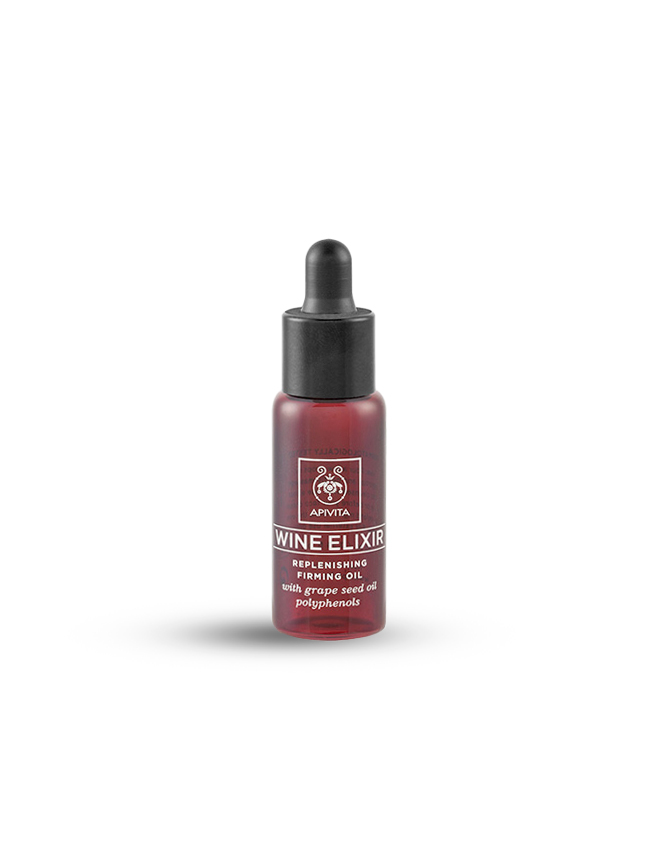
In concentrated oil treatments such as Apivita Wine Elixir Firming Oil, precision matters. Over-application can affect absorption and sensorial balance. Drop-by-drop control preserves performance.
If the formula benefits from adaptable quantity → choose dropper.
2. When the Product Is Positioned as a Treatment Step
Droppers create intentionality. They slow down the gesture. They signal care.
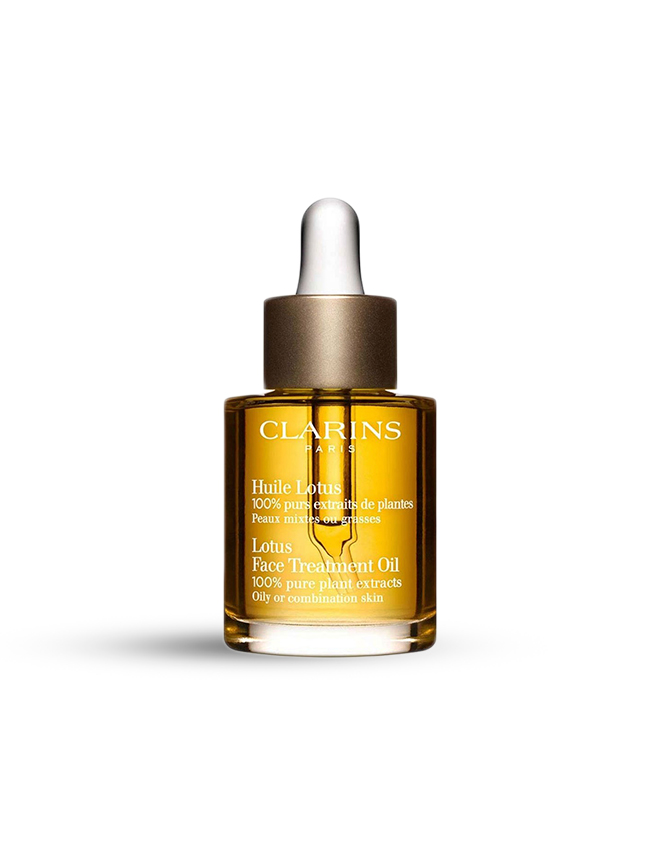
Botanical oils such as Clarins Huile Lotus rely on controlled ritual use. The dispensing system reinforces that positioning.
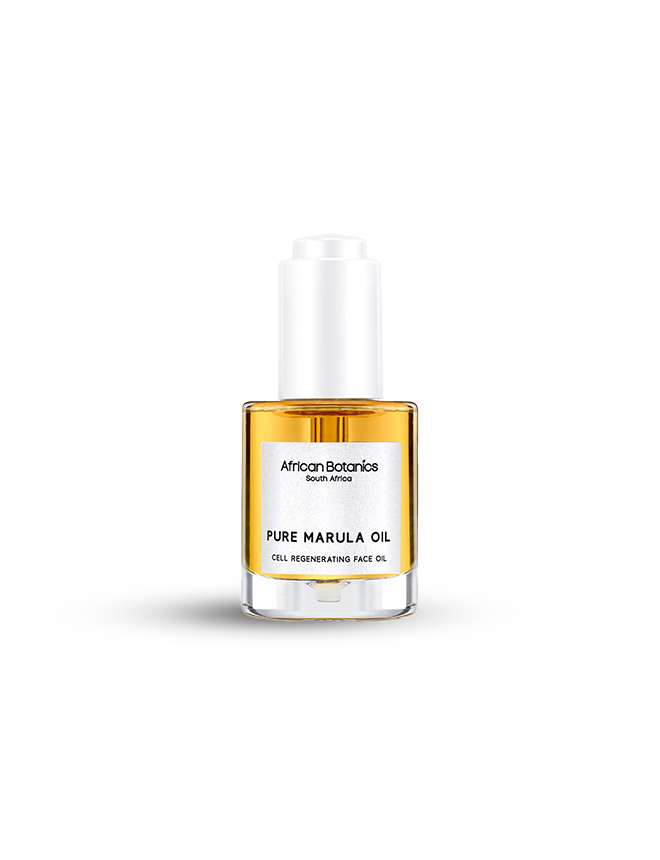
Premium natural oils like African Botanics Pure Marula Oil benefit from this approach as well. The dropper aligns with the idea of purity and measured application.
If the brand narrative emphasizes:
- Precision
- Ingredient concentration
- Ritual application
→ Dropper is structurally coherent.
3. When Texture Requires Incremental Release
Oil-based formulas, seed oils, and lightweight concentrates spread quickly. Without controlled dosing, users may over-apply.
For balancing oils such as Kiehl’s Cannabis Sativa Seed Oil, dosage flexibility improves usability across skin types and conditions.
If texture flows easily and dosage must remain controlled → dropper supports that control, particularly when using PUSH BUTTON DROPPERS for enhanced precision and ergonomic dosing.
When to Choose a Dispenser
1. When the Formula Requires Consistent Output
Some formulations are engineered to perform best with a uniform amount every time.
If the product:
- Is emulsified
- Has stable viscosity
- Is designed for repeatable daily application
Then predictable dosing is preferable.
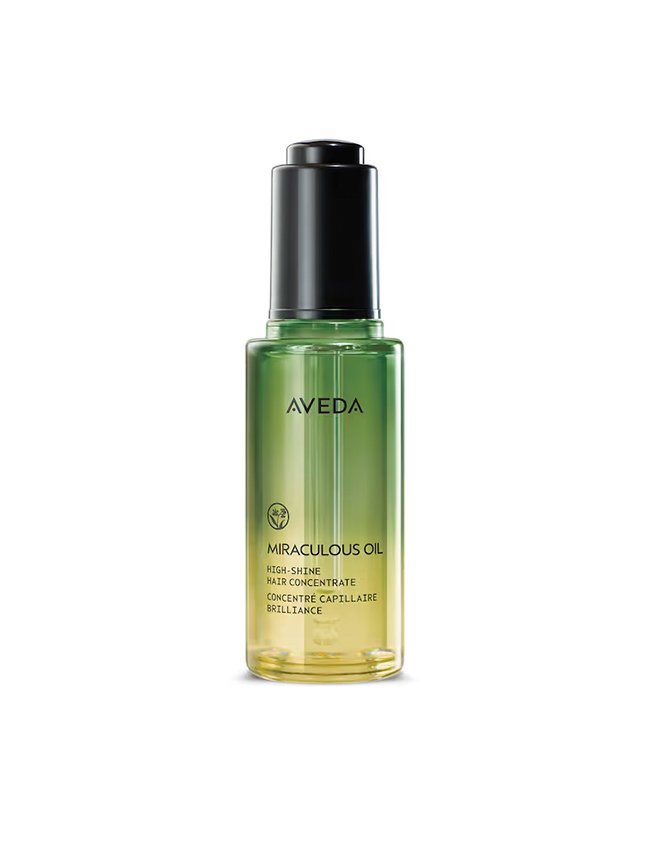
Treatment oils designed for routine integration, such as Aveda Miraculous Oil, may benefit from consistent output when used across hair or multiple zones.
If consistency improves routine clarity → choose dispenser.
2. When the Product Is Designed for Speed and Simplicity
Mass-premium and daily-care products prioritize ease.
If the consumer should:
- Apply once, morning and night
- Use one standard quantity
- Integrate seamlessly into routine
A dispenser reduces decision-making friction.
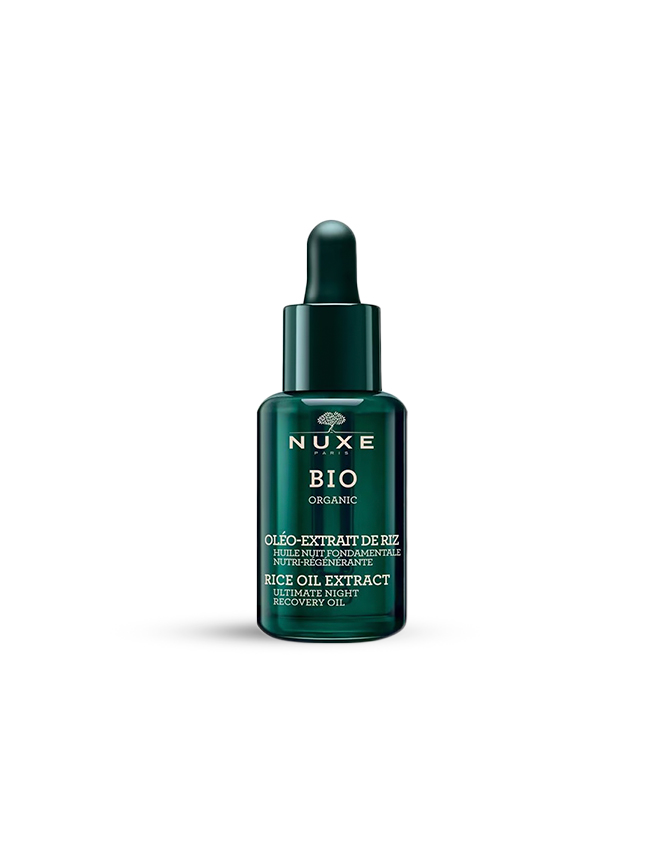
Organic oils positioned for everyday layering, like Nuxe Bio Rice Oil Extract, may align with consistent dosing depending on routine expectations.
If convenience and repeatability dominate the product logic → dispenser fits.
3. When Uniform Hygiene Messaging Is Central
Some brand strategies emphasize streamlined, clean dispensing gestures.
While both systems can be hygienic when properly designed, pump systems communicate:
- Immediate release
- No visual re-entry of pipette
- One-directional dispensing
If messaging focuses on procedural clarity → dispenser may reinforce it.
Dropper vs Dispenser: The Strategic Decision Matrix
To simplify the choice:
Choose a dropper when:
- The formula is concentrated
- Dosing needs to be flexible
- The product is a treatment
- Ritual and premium cues matter
- Texture spreads easily
Choose a dispenser when:
- The formula performs best with fixed quantity
- The product is daily-use
- Convenience is key
- Output should not vary
- Routine clarity matters more than adaptability
There is no superior system — only structural alignment.
Droppers Catalogue
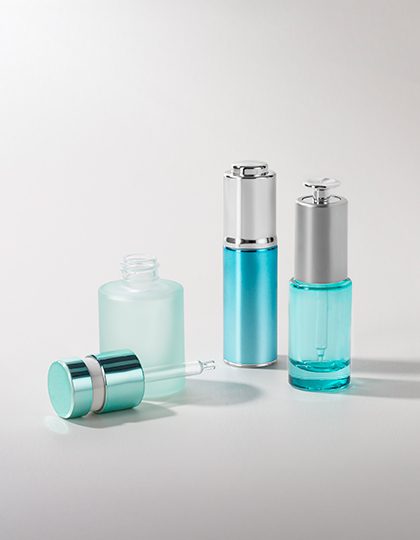
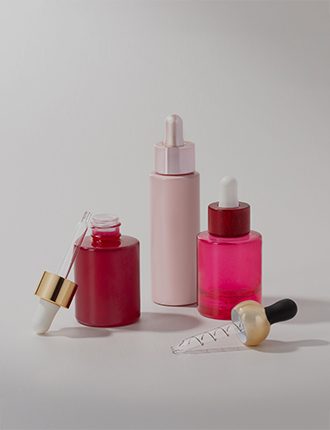
Discover our full range of droppers catalogue
Portfolio Strategy: Why Many Brands Use Both
Leading brands rarely choose one system universally.
They may use:
- Droppers for oils and corrective serums
- Dispensers for emulsions and daily hydration steps
Within oil-focused brands, even conceptual formats like Butter Elixir Face Oil could strategically use either system depending on positioning: ritual luxury or daily practicality.
Understanding dropper vs dispenser at portfolio level allows brands to build packaging coherence without limiting flexibility.
Final Consideration: Packaging Must Follow Formula Logic
The mistake brands make is choosing dispensing systems based on visual preference.
The correct order is:
- Define formula behavior.
- Define usage frequency.
- Define dosage logic.
- Define brand narrative.
- Then choose the dispensing system.
When this order is respected, both droppers and dispensers perform optimally.
Packaging is not decoration. It is functional architecture.
Frequently Asked Questions About Dropper vs Dispenser
What is the main difference between a dropper and a dispenser?
The main difference lies in how the product is delivered. A dropper allows users to draw and release a customizable amount of product, while a dispenser delivers a predefined dose with each activation. Both systems support controlled application but create different usage experiences.
Is a dropper better than a dispenser for skincare products?
Neither option is inherently better. The choice between dropper vs dispenser depends on the formula type, desired dosing flexibility, and how the product is intended to be used within a skincare routine. Each system is designed to support specific product strategies.
When should a skincare brand choose a dropper?
A dropper is often chosen for serums, oils, and concentrated treatments where flexible dosing and precise application are important. It supports a more deliberate skincare ritual and allows users to adjust the amount applied according to their needs.
When is a dispenser the right choice?
Dispensers are commonly used for products intended for daily or frequent use, such as lotions, emulsions, or gels. They provide consistent dosing and ease of use, making them ideal for streamlined routines and repeatable application.
Can both droppers and dispensers be used within the same skincare range?
Yes. Many skincare brands combine droppers and dispensers across their product lines. This complementary approach allows each product to use the dispensing system that best matches its formula, function, and positioning.
Does the choice between dropper vs dispenser affect formula performance?
The dispensing system influences how the product is applied and handled, which can affect user experience and consistency of use. When properly matched to the formula, both droppers and dispensers support optimal performance.
Are droppers and dispensers compatible with premium and dermocosmetic brands?
Absolutely. Both systems are widely used in premium, clean beauty, and dermocosmetic skincare. The decision is guided by product intent and brand identity rather than market segment.
Why is packaging expertise important when choosing between dropper vs dispenser?
Packaging expertise ensures that the dispensing system is fully compatible with the formula and container. Proper integration guarantees smooth dispensing, accurate dosing, and consistent performance across production runs, making either solution effective and reliable.