

Glass Bottles with Droppers: What Size Is Right for Your Product?
When choosing the perfect glass bottles with droppers, size matters. The right capacity ensures precise dosing, better product preservation, and an optimized user experience. But with so many options available—from small 15ml bottles to larger 100ml containers—how do you know which one is the best fit for your formula?
This guide will help you understand common dropper bottle sizes, their uses, and how to choose the right one for your product. Whether you work in skincare, essential oils, pharmaceuticals, or wellness, selecting the right size can make a significant difference in packaging efficiency and customer satisfaction.
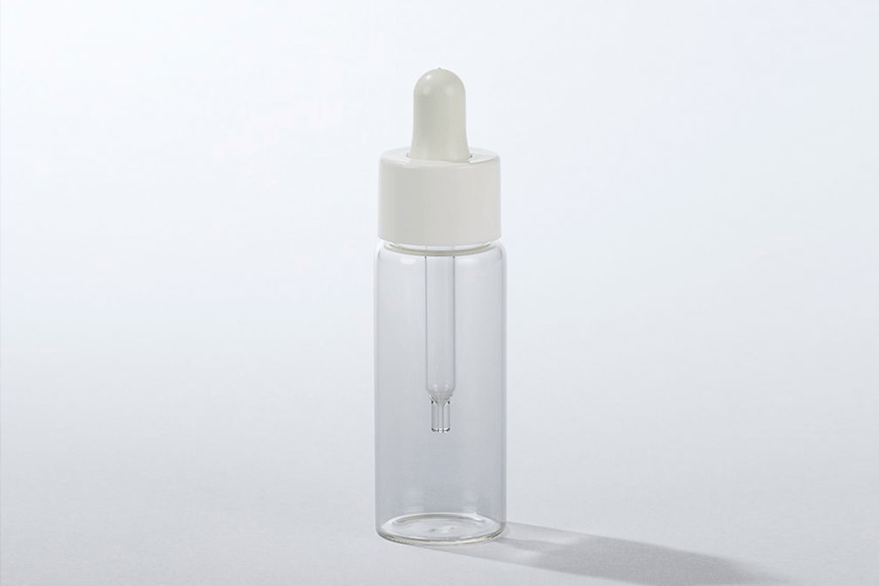
Table of Contents
Why Does Bottle Size Matter?
The capacity of a glass bottle with dropper impacts more than just product volume. It affects:
- Portability – Smaller bottles are ideal for travel-size skincare and serums.
- Dosing Control – Larger bottles may require adjusted dropper sizes for efficient application.
- Product Longevity – Some ingredients degrade faster in larger containers with more air exposure.
- Consumer Perception – Premium brands often choose sleek, minimalist packaging, which size can influence.
By selecting the right bottle size, brands optimize user experience while maintaining product integrity.
Understanding Common Dropper Bottle Sizes
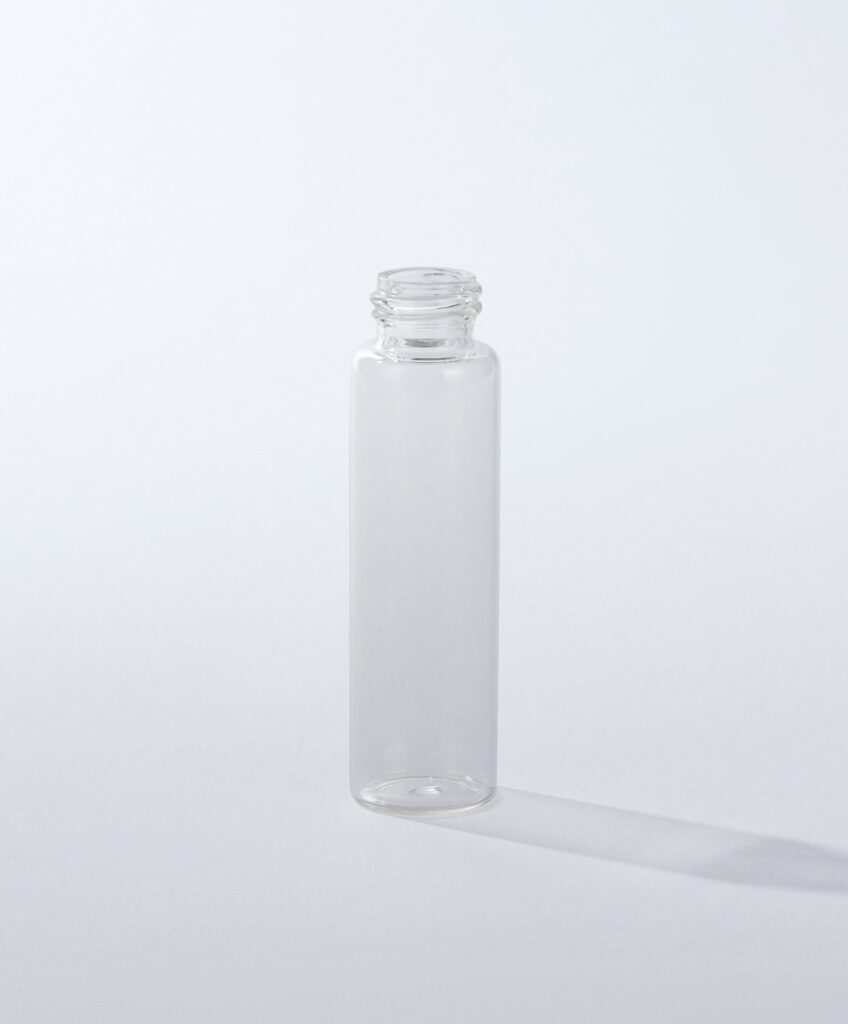
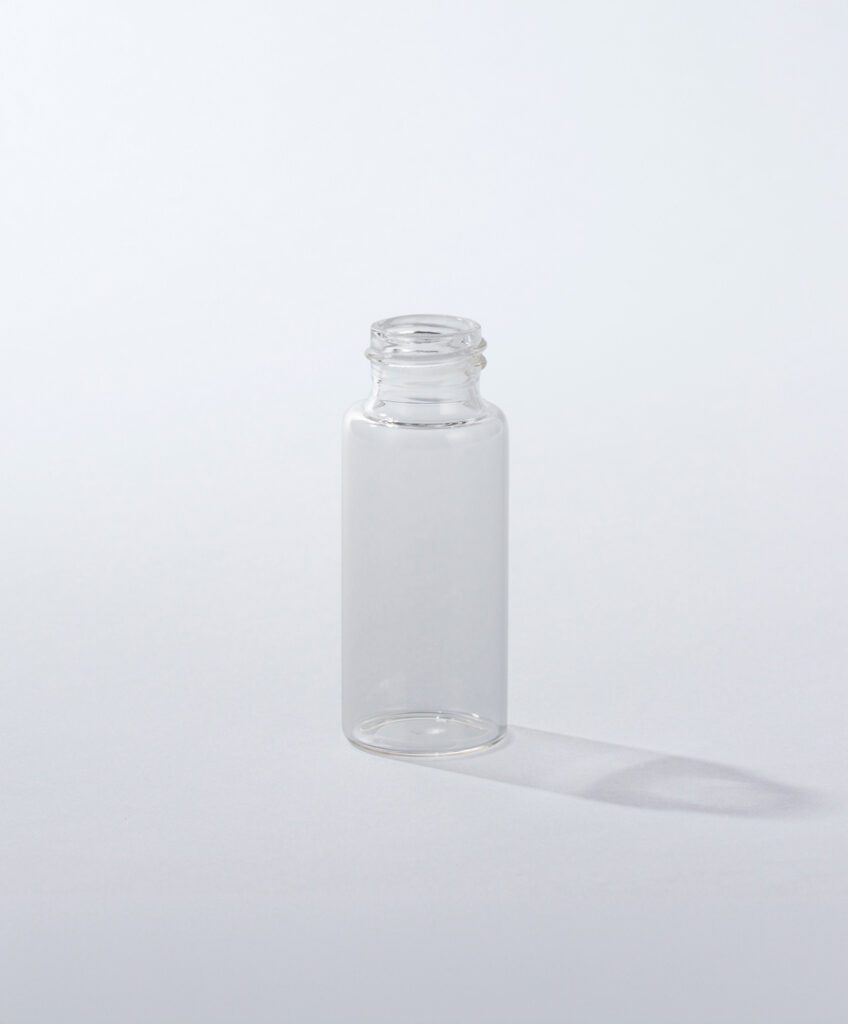
Glass bottles with droppers come in a variety of capacities. Here’s an overview of the most common sizes and their typical applications.
Small Dropper Bottles (15ml – 30ml / 0.5 oz – 1 oz)
Best for:
- Facial serums
- Essential oils
- High-potency skincare treatments
These sizes are industry standards for serums and concentrated formulas because they allow controlled dosing while keeping the product fresh.
Medium Dropper Bottles (50ml – 60ml / 2 oz)
Best for:
- Hair oils and skincare oils
- Wellness tinctures
- Multi-use cosmetic blends
In markets like the U.S., 2 oz dropper bottles are widely used for essential oils, supplements, and skincare products. 60ml bottles provide a balance between usability and volume, making them a practical choice for everyday products.
Large Dropper Bottles (100ml – 120ml / 3.4 oz – 4 oz)
Best for:
- Professional-use skincare
- Body oils and massage blends
- Refillable skincare packaging
Although 4 oz dropper bottles (≈120ml) are common in the U.S., most luxury skincare and cosmetic brands opt for slightly smaller sizes, as they provide a more premium look while ensuring the product stays fresh longer.
Dropper Bottle Dimensions: Real Sizes in mm and Inches
How big is a 15 ml or a 30 ml dropper bottle in practice? The table below shows approximate dimensions taken from the Virospack range of tubular and moulded glass bottles, including the most common neck finishes and the decoration area available for labels or printing:
| Capacity | Bottle size Ø × height (mm) | Bottle size (inches) | Common neck finishes | Label / decoration area, height × wrap (mm) |
|---|---|---|---|---|
| 5 ml | 18–20 × 37–45 | 0.71–0.79 × 1.46–1.77 | 13/410 · 13/415 | 14–22 × 57–64 |
| 10 ml | 21–23 × 50–58 | 0.83–0.92 × 1.97–2.28 | 13/415 · 15/415 · Europa 5 | 25–35 × 67–73 |
| 15 ml | 21–31 × 50–69 | 0.83–1.22 × 1.97–2.72 | 13/415 · 15/415 · Europa 5 · 20/410 | 25–46 × 67–98 |
| 20 ml | 26.5–29.5 × 55–67 | 1.04–1.16 × 2.17–2.64 | Europa 5 | 25–37 × 83–93 |
| 30 ml | 29.5–42 × 65–100 | 1.16–1.65 × 2.56–3.94 | 20/410 · 22/410 · Europa 5 | 40–75 × 93–132 |
| 50 ml | 34–48 × 72–110 | 1.34–1.89 × 2.83–4.33 | 20/410 · 24/410 | 44–85 × 107–151 |
Exact dimensions depend on the model: slim moulded bottles are taller and narrower, wide moulded bottles are shorter and broader, and tubular bottles sit in between with thin, uniform walls. Before designing a label, always check the decoration area of the specific bottle.
Droppers Catalogue
Discover our full range of droppers catalogue
Choosing the Right Size for Your Product
When selecting a glass dropper bottle, consider the following:
Product Type & Usage
- Highly concentrated serums & oils → Small bottles (15ml – 30ml).
- Everyday skincare or haircare products → Medium bottles (50ml – 60ml).
- Bulk-use formulas or refills → Large bottles (100ml+).
Consumer Expectations
- Luxury brands often favor smaller, sleek packaging for exclusivity.
- Wellness and supplement brands opt for medium sizes for practical daily use.
- Professional skincare formulations may require larger bottles to meet usage needs.
Regional Preferences (U.S. vs. International Markets)
- 2 oz and 4 oz dropper bottles are standard in the U.S. but are less common in European markets.
- Brands targeting global audiences should consider offering both ml and oz equivalents for clarity.
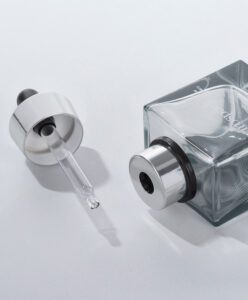

Tubular vs. Moulded Glass Dropper Bottles
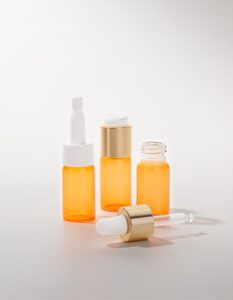
Beyond capacity, the way the glass is formed changes the size, weight and feel of a dropper bottle. Virospack manufactures both types in-house:
- Tubular glass bottles are made from glass tubing that is cut and shaped. They have thin, uniform walls of around 1 mm, very precise dimensions and a light weight, which makes them ideal for small and medium formats from 2 to 50 ml and for an exact dropper fit. Discover our tubular glass bottles.
- Moulded glass bottles are formed in a mould, allowing thicker walls, heavier bases and more distinctive shapes — such as slim or wide silhouettes — with a premium hand feel. Some moulded formats also include a last-drop system that helps the consumer use the product to the end.
In practice, tubular glass is the most efficient choice for concentrated serums and oils from 5 to 30 ml, while moulded glass is preferred when the bottle itself has to become a distinctive brand asset.
Sustainability: How Size Influences Eco-Friendly Packaging
Choosing the right bottle size isn’t just about aesthetics and functionality—it also plays a role in sustainability.
Key sustainability factors:
- Smaller bottles = less product waste (ideal for high-potency formulas).
- Refillable larger bottles = lower packaging footprint for sustainable brands.
- Right-sizing reduces shipping weight, lowering carbon emissions in logistics.
Brands looking to align with eco-conscious consumers should consider lightweight glass designs, refill systems, and optimized sizes that balance sustainability with practicality.

Frequently Asked Questions About Glass Bottles with Droppers
What size label for dropper bottles?
The label size for a dropper bottle depends on its shape and volume. Common label sizes include:
- 15ml bottle → 2 x 1.5 inches (5 x 3.8 cm)
- 30ml bottle → 3.5 x 1.5 inches (8.9 x 3.8 cm)
- 50ml bottle → 4 x 2 inches (10 x 5 cm)
- 100ml bottle → 5 x 2.5 inches (12.7 x 6.4 cm)
For curved bottles, consider wrap-around labels or front-and-back labels for better branding.
How big is a 30ml dropper bottle?
A 30ml dropper bottle is approximately 3.5 to 4 inches (9-10 cm) in height and 1.2 inches (3 cm) in diameter. The exact dimensions vary based on the bottle’s design and shape.
What is the size of a standard dropper?
A standard dropper pipette is typically 7 to 9 cm (2.75 to 3.5 inches) in length, depending on the bottle size. Standard droppers dispense approximately 1mL per full squeeze, but this may vary based on viscosity and design.
What size is a 15ml dropper bottle?
A 15ml dropper bottle is usually 2.8 to 3 inches (7-7.5 cm) tall with a diameter of 0.9 to 1 inch (2.5 cm). It is a popular size for facial serums, essential oils, and skincare treatments due to its compact and travel-friendly design.
What is the standard neck size of a dropper bottle?
There is no single standard: the neck finish depends on the bottle and the dropper system. Common finishes include 13/410 and 13/415 for small tubular bottles, 15/415 for 7 to 15 ml formats, 20/410 and 22/410 for 15 to 50 ml bottles, 24/410 for larger tubular bottles, and the European Europa 5 finish. The bottle neck and the dropper collar must always match.
How big is a 50 ml dropper bottle in cm?
A 50 ml glass dropper bottle measures roughly 3.4 to 4.8 cm in diameter and 7.2 to 11 cm in height (about 1.3–1.9 in × 2.8–4.3 in), depending on whether it is a tubular, slim moulded or wide moulded bottle. For example, a 50 ml tubular bottle measures about 3.4 × 8.8 cm.
What label size do I need for a 50 ml dropper bottle?
The printable area of a 50 ml glass bottle is usually between 4.4 and 8.5 cm high, with a wrap length of about 10.7 to 15 cm, depending on the bottle shape. Always check the decoration area of the specific model — and remember that glass bottles can also be decorated directly by screen printing, hot stamping or lacquering instead of using a label.